05 El teatro al completo

ENTREVISTA | JOSÉ LUIS GÓMEZ

El teatro al completo

Es el teatro del lenguaje, el gusto por el habla, lo que siempre ha interesado a este hombre de la escena.

José Luis Gómez prepara el estreno de ‘Grooming’ en La Abadía y su ingreso en la Academia, en la que contará todo su viaje lingüístico de aprendizaje

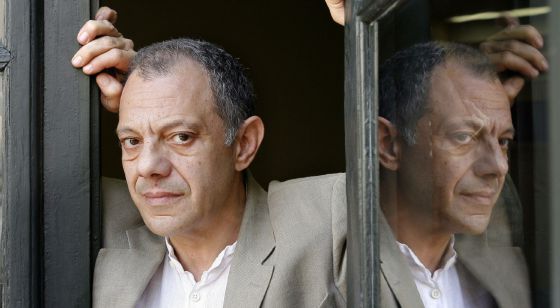
“Jouvet decía que la vocación no existe hasta que no se convierte en un choix persistent, una elección insistente, y yo también lo creo”, afirma José Luis Gómez. / JORDI SOCÍAS

El encuentro tiene lugar un domingo por la mañana en la casa de José Luis Gómez, un chalé (u hotelito, como se dice en Madrid) situado junto al parque de la Fuente del Berro: ha tenido la gentileza de recibirme en día de asueto y a temprana hora. Casas pequeñas, con jardín, arboladas. Algunos vecinos bostezantes pasean a sus perros. Escasos coches, pájaros en la espesura. La zona tiene el aire calmo que antes caracterizaba a las afueras, que ahora están mucho más lejos y más densamente pobladas. El barrio tiene también un aire muy británico, como si estuviéramos en Hampstead. Quizás a eso contribuya el hecho de que tomamos varias tazas de té durante la conversación, con avidez beduínica. José Luis Gómez (Huelva, 1940) parece sorprendentemente tranquilo, habida cuenta de que está en capilla: el próximo 1 de febrero se estrenará Grooming, de Paco Bezerra, en La Abadía. El encuentro duró más de dos horas. Esto es sólo una parte, un resumen de los intereses o preocupaciones actuales de uno de los hombres de teatro (actor, director, gestor) más completos de nuestra escena.

PREGUNTA. ¿Qué es Grooming?

“Grooming’ tiene misterio, tiene poesía y su tema central, el ciberacoso a menores, pone los pelos de punta a cualquiera”

RESPUESTA. Grooming es una obra de autor español, esa rara especie a proteger que es el autor español. Echo la vista atrás y pienso que siempre me ha interesado más la autoría española contemporánea que la dramaturgia extranjera. Pienso en Sanchis Sinisterra, con el que he trabajado varias veces desde Ay, Carmela; en Fermín Cabal conCastillos en el aire, que fue muy controvertida porque abordaba la corrupción socialista y socialistas eran nuestros patronos; en Juan Mayorga y La paz perpetua, en el María Guerrero… y ahora, este joven autor andaluz que es Paco Bezerra, del que leí tres obras:Ventaquemada, Dentro de la tierra, que le valió el Premio Nacional de Literatura Dramática en 2009, y la que he elegido, Grooming. Bezerra tiene voz propia, crea atmósferas muy inquietantes sin buscar el efectismo. Trabaja con lo implícito, y sus textos están atravesados por la poesía y el humor. Grooming, pues, tiene misterio, tiene poesía, y su tema central, el ciberacoso a menores, pone los pelos de punta a cualquiera.

P. Nunca había oído esa expresión…

R. Es el término que los ingleses han adoptado para definir esa forma de acoso: la manipulación psicológica, por parte de un adulto, para abatir las defensas de un menor y ganar su confianza. No es el acoso sexual puro y duro sino mucho más turbio, más insidioso y, desde luego, más secreto. Es un mundo muy oculto, del que lógicamente apenas hay estadísticas, aunque sí testimonios terribles. Hablamos con varios psiquiatras para estudiar esa patología y descubrimos que la línea que separa la aparente normalidad de la perversión es delgadísima pero a menudo cuesta mucho advertirla.

Grooming trata de un hombre de mediana edad que se hace pasar por un adolescente, contacta así con una muchacha de 16 a través del messenger, la seduce poco a poco, graba un vídeo, y amenaza con enviárselo a su entorno más próximo. Los protagonistas son Nausicaa Bonnín, joven pero que ha hecho mucho teatro y desde luego cine, y Antonio de la Torre…

P. Un actor con mucho peligro, desde luego. Estaba impresionante en Balada triste de trompeta y Dispongo de barcos.

En la RAE, “con un equipo de actores y fonólogos estudiaremos la formación de la lengua desde la oralidad, cómo los sonidos se conforman”

R. Pues no ha hecho nada de teatro, y creo que puede aportar muchísimo. La obra tiene muchas capas, nada es lo que parece a primera vista. Es una pieza muy concentrada, muy austera, cosa que también nos venía muy bien en este tiempo de recortes. Transcurre en un parque y la hacemos en la sala José Luis Alonso con espacio vacío, tan sólo el suelo cubierto de césped. Hemos buscado la teatralidad a partir de elementos mínimos para focalizar lo que cuenta la obra. También ha sido para mí un buen cambio después de la inmersión en el mundo de Beckett con Fin de partida. Y desde luego, en el de Lupa, para el que hizo falta aprender nuevos códigos de navegación.

P. ¿Fue muy difícil trabajar con Krystian Lupa?

R. No. Es un director muy exigente, pero yo también lo soy. Cada uno a nuestra manera buscábamos “la cosa”, como diría Ortega. Estábamos al servicio de la cosa, y la cosa, obviamente, era la función. Como persona y como artista deja una huella notable y profunda. Lupa es un hombre radical, que va a la raíz. No fueron unos ensayos muy largos: seis semanas y media. Yo creo que él hubiera necesitado tres meses, que es un poco su promedio mínimo. Plantea siempre sus espectáculos como un proceso, como algo en evolución. Hay que decir que la mitad del tiempo se lo llevó la traducción simultánea: todo duraba el doble. Lupa habla un alemán aceptable, pero no podía ser sólo un diálogo entre él y yo. Reventó las costuras de la férrea partitura de Beckett para buscar una partitura interior más ligera, más flexible, pero cuesta mucho llegar a la flexibilidad. Los ensayos fueron intensos sobre todo por las cuestiones que suscitó Lupa, sobre la obra, sobre el trabajo actoral, y en definitiva sobre nuestro oficio. Fueron mucho más allá del ensayo en sí; ocuparon un considerable espacio psíquico, por así decirlo. También había una resistencia: no quería hacer Fin de partida, quería que montásemos un texto de Bernhard. Yo le insistía, pero no tenía muy claro el porqué. También he tardado un poco en darme cuenta de por qué he elegido Grooming.

P. Imagino que tiene que ver con esta foto…

R. Exactamente: es una foto de mi hija. Lo descubrí durante los ensayos, cuando de golpe vi a mi hija en un gesto de Nausicaa. Mi hija tiene diez años y está en esa edad en la que quieres protegerla, más que nunca, de todas las asechanzas del mundo exterior. Hubo, desde luego, muchos otros factores a la hora de elegir el texto, pero ese vino de muy adentro. Y los motores inconscientes siempre son los más poderosos. Pienso que esa es una constante en mi trayectoria (no me gusta hablar de carrera): en cierto modo nunca eliges. Siempre ha habido un impulso inconsciente que me ha llevado a cada obra. Y siempre lo he descubierto metido en harina, o tiempo después del estreno.

P. Antes decía que el autor español es una especie a proteger…

“Nos ahogan los impagos”

MIGUEL DEL ARCO

Veraneantes terminó 2011 en casi todas las listas de “lo mejor del año”. Éxito de público y crítica. La realidad: no podemos vivir de nuestro trabajo. Nos ahogan los impagos. Los teatros no tienen dinero para pagar un espectáculo de 11 actores por lo que apenas conseguimos bolos. Salir a taquilla es un suicidio porque, a pesar de llenar teatros como hemos hecho, al precio al que están las entradas ni siquiera cubrimos gastos. Hace unos días asistí a una representación de La violación de Lucrecia por la que el público pagaba ¡4 euros! ¿Es eso una medida para hacer más popular el teatro o más populista a un ayuntamiento? Escuchar tan a menudo eso de ¡qué gran momento de teatro estamos viviendo! es para revolcarse de la risa. Por no hablar de los animales de bellota que utilizan el cobarde anonimato de la Red para acusarnos de vivir de las subvenciones… En fin, voy a seguir revolcándome de la risa. El humor es el único recorte que espero no tener que asumir.

R. Ah, desde luego, y lo digo muy en serio. Hablamos de la tremenda vulnerabilidad del actor, pero en esa “escala del desamparo” me parece que está mucho más solo el autor dramático de cualquier edad. Paco Bezerra me decía que llevaba años, pese a su juventud, escribiendo seis horas diarias y sin conseguir que le estrenaran sus obras. Un novelista puede autoeditarse si no le queda otro remedio, pero un dramaturgo necesita un productor, un director, un equipo.

En comparación con otras culturas teatrales, en España hay poquísimas puertas abiertas para un dramaturgo. Así que pienso que en esa escala, partiendo de ganarte puramente la vida con tu oficio, lo más duro es ser autor y luego director, sobrevivir como director. En tercer lugar estamos los actores. Se me echarán encima mis compañeros, pero puedo afirmarlo con conocimiento de causa. Un actor, pese a lo dificilísima que está hoy la situación, tiene algunas posibilidades más de supervivencia. En el cine, en la televisión. Algunas, no muchas.

P. ¿Cómo encajará su trabajo como académico en su quehacer teatral?

R. Bueno, para mí no son distintos: va a ser un trabajo teatral centrado en el lenguaje, y un intento de profundización en aspectos que me interesan muy seriamente. Alguna gente me ha dicho: “¿Qué hace un cómico en la Real Academia?”. Yo me descubro, desde siempre, ante su impresionante labor en tantos frentes: la nueva gramática, los últimos trabajos de Blecua en fonología y fonética, lo que se ha hecho en relación con América Latina… Es un organismo vivísimo, como viva es la lengua: ¡El Diccionario tiene 48 millones de visitas! De entrada, yo quiero aprovecharme de ese inmenso caudal.

P. Y luego…

R. Estaré en la comisión de Cultura. He esbozado mis propuestas ante el director de la RAE, ante el secretario, ante mis mentores… Están muy interesados. Para contarlo brevemente, digamos que quiero hacer un recorrido de textos desde los orígenes del castellano hasta hoy. Con un equipo de actores y fonólogos estudiaremos la formación de la lengua desde la oralidad, desde la palabra dicha. En su maravilloso Elogio de la infelicidad, Emilio Lledó habla de que la gran evolución del ser humano comienza cuando la criatura empieza a emitir “aire semántico”, es decir, sonidos con significado. Las sesiones que quiero hacer se dividirán en 35 minutos de lectura, 15 minutos de estudio fonológico y 35 de interpretación teatral: me gustaría que los encuentros tuvieran lugar en los principales teatros públicos, abiertos a todo el que esté interesado. Habría una segunda etapa en la que trabajaríamos con grandes textos latinoamericanos, y en esa indagación fonológica se trataría de rastrear, explicitar o aventurar la formación de los acentos, de los sonidos del castellano: las culturas autóctonas, la influencia de los flujos migratorios… En suma, estudiar cómo los sonidos se conforman. Mucho trabajo, pero apasionante.

“Falta una visión general”

GERARDO VERA

En los últimos años, los poderes públicos han desarrollado un importante número de medidas para dinamizar las artes escénicas, pero estas políticas teatrales se centran casi exclusivamente en un sistema de ayudas que permiten mantener la actividad, pero impiden tanto su consolidación como el mantenimiento o creación de un tejido teatral que vertebre el teatro que se produce en las distintas comunidades autónomas o ayuntamientos. La información en los medios de comunicación acerca del teatro se limita a lo puramente informativo, en el mejor de los casos, y siempre ocupa un lugar escaso y marginal. No se puede comparar con la promoción del hecho cinematográfico en periódicos y tertulias radiofónicas. Paradójicamente el público se vuelca en las salas de teatro y no es así, en absoluto, en las salas donde se exhibe nuestro cine. Falta una visión general del teatro y de las responsabilidades que los poderes públicos deben tener en su desarrollo.

P. En cierto modo, ese trabajo está cerca del que hizo John Barton en la RSC cuando estudió, con actores, cómo se forma el lenguaje de Shakespeare y cómo se recita a través de los tiempos.

R. Cierto, las maravillosas sesiones dePlaying Shakespeare, que luego emitió la BBC y que fueron una biblia para muchos de nosotros. Y con los principales actores de la Royal Shakespeare Company, que entonces eran muy jóvenes: Ian McKellen, Ben Kingsley, Judi Dench… El trabajo de Barton es esencial, entre otros muchos aspectos, a la hora de estudiar la locución del verso. Y está hecho con una gran sabiduría y una gran humildad. Hay otro proyecto, por cierto, que querría abordar en esa línea: Valle-Inclán. Es una cima literaria y lingüística tan poderosa, tan llena de reverberaciones, que no tenemos todavía, creo, los instrumentos técnicos para abordarla plenamente en el escenario. El lenguaje de Valle llama al cuerpo, exige una respuesta corporal muy compleja.

P. ¿Sobre qué versará su discurso de ingreso?

R. Quiero hablar de mi experiencia, contar mi viaje, mi proceso vocacional y de aprendizaje a partir de unas lenguas que no eran las mías. Yo tenía una cierta facilidad para los idiomas, porque mis padres tuvieron el buen criterio de matricularme en una escuela francesa, una École Molière, en Huelva. No era un lycée, sino una escuela en la que se enseñaba en francés. No les sobraba el dinero ni mucho menos, pero querían lo mejor para mí. Así que aprendo francés, luego inglés, salgo de España hablando en castellano con un marcadísimo acento andaluz, y en el Instituto de Arte Dramático de Westfalia aprendo alemán para poder representar en esa lengua. El norte del instituto era la continua búsqueda del sentido en los textos. En Alemania descubro el gusto del habla, el gusto por la palabra, que tiene algo profundamente erótico, desde su mismo lugar de emisión: la boca, los labios. Y luego descubro mi propia lengua a través de la conexión del cuerpo y la palabra. Hay una coincidencia maravillosa y con un punto irónico: todo eso tiene mucho que ver con el viaje de Pedro el Rojo que narra Kafka en, justamente, Informe para una academia. Sus interrogantes son los mismos que se plantea un actor, no en vano Camus nos eligió en El mito de Sísifo como uno de los grandes oficios: el trabajo actoral siempre acaba descubriéndote como persona. Contaré ese viaje lingüístico, que también es la historia de una vocación. Jouvet decía que la vocación no existe hasta que no se convierte en un choix persistent, una elección insistente, y yo también lo creo.

“Baja la tensión cultural”

LLUÍS PASQUAL

Entiendo que el problema de la crisis afecta a todos los gremios. Debemos comprender que cuando cierran los quirófanos también pueden cerrar los teatros. Pero en artes escénicas como en cultura en general en este país partimos de mínimos tan mínimos que, cuando se recorta, baja la tensión cultural hasta límites muy peligrosos. Subir un peldaño cuesta mucho, pero una escalera se baja volando; ese es el gran riesgo, la calidad. Tengo miedo a que de aquí a unos años seamos todos Telecinco. La cultura, y de manera específica el teatro, puede jugar un papel de acompañante de la gente en momentos de este tipo. Creo que alguien debería convocar ya unos Estados Generales de la Cultura para analizar la situación. El año pasado estábamos todos muy contentos porque la gente llenaba los teatros, pero este año ya no. Cinco millones y pico de parados se tienen que notar. En consecuencia, la gente de teatro nos estamos estrujando, pero llega un momento en que el trapo no tiene más agua.

P. En su trabajo sin duda ha sentido grandes momentos de iluminación, de trascendencia, y lo contrario: esas terribles ocasiones en las que el actor sale del círculo mágico, pierde la conexión.

R. A través del actor pasan cosas extraordinarias que no siempre percibimos con claridad: puentes súbitos, revelaciones que dejan huella. Puedo datar mi primera iluminación, un término que creo verdadero aunque a muchos les puede sonar pretencioso: a los nueve años, cuando me subo a una mesa en la pensión de mis padres para recitar la Canción del Pirata. El espacio paterno, la figura paterna reaparece con mucha fuerza —y eso también lo percibí luego— en Juicio al padre, que era una adaptación de la Carta al padre de Kafka, y en La vida es sueñoy en Edipo, textos en los que esa figura es central. No hablo de reproches o cuentas pendientes: hablo de un vínculo muy intenso. También me sucedió, en otro sentido, en el espectáculo sobre los poemas de Cernuda. Es complicado hablar de esto: son experiencias difícilmente relatables. En todas esas funciones sucedieron cosas, toqué aguas muy profundas. O me tocaron. Todo esto está más allá de lo que se entiende por éxito, más allá de la vanidad actoral. Son más cuantificables, por la herida que dejan, las experiencias de pérdida: la terrible sensación de quedarte en blanco, de perder el texto. Es una gran cura de humildad, que te descubre que nunca puedes estar por encima del texto. Podría decirse, también, que el texto es el padre. La pérdida de la atención es una de las carencias más graves para un actor. Yo creo que la atención es mucho más importante que la concentración: la concentración estrecha el círculo, la atención lo amplía, te abre hacia los otros, hacia fuera. El actor está realmente perdido cuando pierde su capacidad de atención, porque pierde una triple conexión: consigo mismo, con los otros, y con lo otro.

P. ¿En qué se ha notado la crisis en La Abadía?

R. En muchas cosas. Quizás no tan dramáticamente como otros compañeros, pero desde luego se nota. Nos han reducido un 15% de un presupuesto muy bajo comparado con el de muchos centros públicos, un presupuesto que en La Abadía ha de cubrir producciones y compañías invitadas, y gestión y programación en el Corral de Alcalá de Henares. Con más medios podríamos llevar a cabo en Alcalá un trabajo sensacional de conversión de clásicos que hace tiempo teníamos previsto, pero no puede ser y no puede ser. Han disminuido los salarios y, por tanto, no puedes plantearte hacer repartos de 12 actores, por ejemplo. Yo estoy trabajando en un proyecto que me apasiona, La muerte de Danton, de Büchner, pero sé que no podré hacerlo en La Abadía. Hemos visto una compresión posible y llevamos cuatro o cinco meses realizando una dramaturgia en esa línea, pero aun así no podemos abordarlo aquí. Hay cosas que puedo dirigir en un mes y 10 días, a la manera británica, como Grooming, pero otras que simplemente no son factibles. Sin embargo, hay otros proyectos a los que no queremos renunciar porque nos parecen necesarios. Es necesario, creo yo, que sigamos propiciando la publicación de textos magistrales, como hicimos con los escritos de María Osipovna Knebel, que equivalía a acercarnos al mundo del último Stanislavski. Este año queremos editar Le comédien désincarné y Témoignages sur le théâtre, dos textos capitales de Louis Jouvet, un pedagogo imprescindible del que no hay nada traducido en España.

P. ¿Qué cree usted que está pasando en nuestro teatro y por qué?

“Los que no saben que no saben”

ANTONIO ÁLAMO

Aún no conocemos el alcance de esta crisis. Como admite J. K. Galbraith, los que hablan con seguridad se dividen entre los que no saben y los que no saben que no saben. La crisis no es solo una amenaza, sino que nos enfrentamos a ella a diario: nos enteramos de que este o aquel festival se ha clausurado, que un teatro ya no tiene programación (esos teatros que son como aeropuertos sin aviones) o que tal municipio está en quiebra y que te pagarán ya se verá cuándo. Es difícil predecir el futuro del teatro en este contexto cuando ni siquiera hay un mínimo acuerdo sobre hacia dónde nos dirigimos. No podemos saber cuál es el futuro del teatro, porque ni siquiera podemos atisbar el futuro del futuro. Por citar al de siempre, no digas que lo peor ha llegado mientras puedas decir esto es lo peor. Lo que yo creo es que el teatro no tiene futuro alguno, y nunca lo tuvo. Tampoco tiene pasado. Incluso la obra que hicimos hace dos temporadas ya no existe. El teatro solo tiene presente.

R. Dejando de lado, si es que puede dejarse de lado, algo tan importante como la falta de dinero y los muchos ayuntamientos morosos que están abocando al cierre a tantas pequeñas compañías, lo que es una auténtica vergüenza pública, hay un problema de fondo y que viene de antiguo: faltan gestores culturales que apoyen los proyectos a largo plazo, que entiendan que los pequeños barquitos de hoy pueden ser los grandes navíos de mañana. En Reino Unido, los Arts Councils detectan en el acto dónde está el talento, y en la medida de lo posible le dan cauce. En Francia sucede tres cuartos de lo mismo. La política cultural, en un sentido muy amplio, ha de empezar en las escuelas. Desde luego que en las últimas décadas han mejorado muchísimas cosas, pero sigue habiendo una gran distancia, teatralmente hablando, con los países de nuestro entorno. Hay mil asignaturas pendientes y, como digo, vienen de lejos. En pleno sitio de Moscú, Napoleón tuvo el tiempo y el empeño de encargar e impulsar el decreto de fusión de la Comédie y darle estatutos. Y el del lycée como gran institución pedagógica francesa, como piedra angular de la educación. ¡Y estaba sitiando Moscú! Aquí no hemos tenido nunca una visión semejante, jamás. Se intentó durante la República. Falta formación, falta visión de conjunto. Y falta una sociedad civil tan culta y poderosa como la de nuestros vecinos ingleses, franceses o alemanes, sociedades que tienen muy claro, pese a todas las crisis, que la excelencia siempre acaba siendo rentable. En todos los sentidos: si mejora la cultura, mejora la sociedad. Desde los teatros públicos hemos de fidelizar al público para crecer juntos. Y hay que volver a trazar las redes que se han perdido: no puede ser que en nuestro país todo pase en Barcelona y Madrid. Hay que reestablecer redes nacionales y europeas. La Abadía está ahora muy implicada en un proyecto que pronto presentaremos aquí llamado Cities On Stage, que vincula al Théâtre de l’Odéon (París), el Théâtre National de la Communauté Française de Belgique (Bruselas), el Folkteatern (Gotemburgo), el Teatro Stabile di Napoli (Nápoles), el Teatrul National Radu Stanca (Sibiu, Rumanía) y el Teatro de La Abadía. Abandonamos el Théâtre de l’Europe porque nos parecía esclerotizado y por eso estamos ahora en esa nueva red, en un proyecto a cinco años, que posibilitará, con una subvención de la Unión Europea, producciones comunes, talleres, y un intercambio constante de conocimientos o, como se dice ahora, deknow how. El primer fruto va a ser la producción de un espectáculo de Frank Castorf: dirigirá en La Abadía un texto español, todavía por decidir, y con actores españoles.

P. ¿Y en cuanto a sus proyectos personales?

R. Hay uno que le sorprenderá: me gustaría hacer una comedia. Un texto que escribieron Mihura y Calvo Sotelo, ¡Viva lo imposible!, y que me parece muy cercano a Eduardo De Filippo. Volver a la comedia, que no hago desde Play Strindberg, con Nuria Espert y Lluís Homar. En mis años de formación hice muchísima comedia en Alemania y con Lecoq en Francia. Hice todos los arlequines imaginables. Mi anhelo entonces, como todos los actores jóvenes, era ser un gran actor dramático, pero esa vena de comedia sigue en mí. Por otro lado, me gustaría volver a hacer La vida es sueño, naturalmente en el papel de Basilio. La escena de la discusión entre Basilio y Segismundo prefigura la del enfrentamiento entre Willy Loman y su hijo Biff en La muerte de un viajante. Y me apetecería mucho volver a trabajar con Nuria Espert, desde luego. Nuria es de nuestras pocas actrices “de riesgo”, siempre lo ha sido.

Comentario de UVpress:

Gracias por la maravillosa entrevista, en la que clarísimamente se puede observar como Marcos Ordóñez permite e induce a José Luis a hablar libremente, sin estúpidas interrupciones, ni esa desagradable ansia de protagonismo que muchos entrevistadores dejan entrever. Supongo, conociendo a José Luis, tampoco fue muy difícil ‘tirarle de la lengua’, pués si hay algo que le caracteriza es sus ganas de comunicar, de contar y contarse a los demás, es su vena de actor, que aquí ha quedado muy bien retratada. Quizás su versión de académico es la menos conocida y más sorprendente para todos aquellos que siguen ignorantemente pensando que los actores sólo son marionetas en manos de los directores y básicamente unos descerebrados cultos. José Luis no es una excepción entre los muchos actores españoles que en otros países más civilizados se les llamaría intelectuales, y que aquí parece que se ha convertido en un insulto. Su proyecto para la academia, aunque sólo por unos pocos detalles que cuenta, me parece genial y seguro que será de una valía que pocos apreciarán, pero muchos podrán luego beneficiarse. Gracias

05 Apple contra el mundo (de la edición digital)

Apple contra el mundo (de la edición digital)

Por: Fernando García | 25 de enero de 2012

Atavist2

En un tiempo en que The Artist, la favorita a los Oscar de este año, es una película de cine mudo como las que llenaban los cines en los años 20, y uno de los autores cuya obra se expone más en las mesas de novedades de las librerías ahora mismo es Charles Dickens, que falleció en 1870, unos cuantos periodistas, como explicaba David Carr en The New York Times, se reunieron en un bar para quejarse sobre lo poco que se lee e “hicieron algo más que pedir otra ronda”. El resultado fue Atavist.net, una editorial de libros digitales que aprovecha las posibilidades de Internet con enlaces a más información, vídeo y, sobre todo, una forma distinta de presentar los textos.

Dos periodistas con un interesante recorrido profesional como son Evan Ratliff y Nicholas Thompson, colaboradores habituales de la revista Wired, entre otras publicaciones, estaban cansados de escuchar que en Internet hay que escribir textos cortos y con poca profundidad. Los dos periodistas que crearon Atavist apostaron por lo contrario: el periodismo de largo formato. Así, comenzaron a publicar textos largos, la mayoría de no ficción, intentado aprovechar toda la potencia narrativa de Internet.

Con una inversión inicial de 20.000 dólares, pusieron en marcha la editorial y comenzaron a vender los libros digitales por 2,99 dólares si se descargan para iPad, donde sacan mucho partido a la interactividad, y 1,99 si es para Kindle. “Queríamos crear algo por lo que la gente estuviera dispuesta a pagar, porque la web es muy buena para la creación de bits de información breves y ágiles, pero no tanto cuando se trata de piezas bien editadas y con un lenguaje cuidado”, explicó Thompson, quien dejó su trabajo como redactor jefe de The New Yorker para incorporarse a The Atavist. Los autores se reparten con el editor el importe de las ventas.

Pero en el modelo de negocio de la editorial digital no sólo figura la venta de libros para obtener ingresos. El tercer impulsor de Atavist fue el programador y diseñador web Jefferson Rabb, quien trabajó en un sistema de gestión de contenidos que permite la edición de los libros. Desarrollar una plataforma para un proyecto pequeño no suele ser rentable, pero sí lo puede ser si se licencia para su uso por parte de otras editoriales. Así, Atavist, un sitio pequeño de mucho prestigio, se convierte en la imagen y en el centro de investigación de la plataforma de edición. En Atavist, según explicaron en Technology Review, que publica el MIT, pretenden ganar dinero, pero también disfrutar compartiendo la herramienta y que todo el mundo pueda usarla.

Apple anunció la semana pasada eBooks Author, un programa para que cualquier  persona pueda editar y publicar libros siempre que trabaje con un Mac y los venda en su tienda iTunes. La potencia de Apple (basta con ver los resultados económicos que dieron a conocer ayer, donde, con la que está cayendo, en el último trimestre ha obtenido un beneficio de nada menos que 13.060 millones de dólares) puede terminar con proyectos tan interesantes como Atavist que nacen alejados de la enorme industria informática y de las editoriales comerciales. Su única esperanza puede ser que los libros que publica Atavist se distribuyen en la tienda de Apple y también sin tantas ataduras en Amazon, para teléfonos Android y para otros dispositivos de lectura como, por ejemplo, Kobo.

05 Writing Adrift in the World

Roving thoughts and provocations from our writers

Writing Adrift in the World

Tim Parks

tentoftomorrow.com

The Terrazzo Map of New York State at the 1964 World’s Fair

Every year I send a number of my Italian students in the Masters in Translation program at IULM University, Milan to England on an exchange. Years ago they would take general courses in English and American literature; then it was post-colonial literature; now they study “world literature.” Looking at the reading lists, which range far and wide chronologically and geographically, from the Epic of Gilgamesh to Ernest Hemingway, the Tale of Genji to Jorge Luis Borges, it is hard to imagine how a strong sense of context can be built up around any of the individual works. Or rather, the only relevant context is the human race, planet Earth, post 5000 BCE, circa. The stress will be on the essential and universal rather than the local and accidental; the subtext, as David Shields insists in a recent polemic on contemporary fiction in Little Star (excerpted here), that “Every man contains within himself the entire human condition.”

But does he? Or she?

As my part of the deal in this exchange, I tutor students from England studying, or practicing, creative writing. They too now move in an international world, as their coming to Italy to work with me testifies. They too have taken courses in world literature, or at least post-colonial literature. They are familiar with the big international names—Kundera, Pamuk, Eco, Vargas Llosa, Roth, Murakami; they know who won the Nobel, the Man Booker International Prize, the IMPAC, the Pulitzer. Exciting as it is, none of this reading is particularly useful to them. Pamuk, for example, may offer a strong sense of place, but it is one increasingly addressed to those outside Turkey, rather than to the Turkish themselves; is the young English writer to talk about England to a foreign audience? Roth in contrast, deeply engaged in an American world, invites the young writer into the now ubiquitous second life that most citizens of the world have as passive observers of American culture, a world that often has little or nothing to do with daily experience elsewhere. In Europe today, one reads less and less about the immediate society one lives in. Assisting young writers as they struggle to find a voice that feels like their own, a style that might imbue what they write with a sense of necessity and urgency, I am reminded of what a literary canon is, or was, and what purpose it served.

For most of us, the set of behaviors we call personality, or self, forms initially in a family of three, four, or five individuals, then develops as it is exposed to the larger worlds of school and, in our teens perhaps, our town, our country. The richness of our individual personalities is a measure of the complexity of the relations that sustain us. A word spoken at home or school can be dense with nuance and shared knowledge in a way unlikely to occur in a casual exchange at rail station or airport, however fascinating and attractive an exotic traveling companion may be. This is not an argument for staying at home, but for having a home from which to set out.

One of the functions of a canon or a national tradition has been to provide a familiar group of texts, stretching from past to present, constitutive of one’s own community and within which a writer could establish his position, signalling his similarity and difference from authors around and before him. Nuance is more telling than absolute novelty; the more the similarities, the more what difference there is will count. Hence, it might be more useful for a young English writer to be building up a knowledge of, say, Evelyn Waugh, Elizabeth Bowen, Anthony Powell, Barbara Pym, along with the writers they drew on and the later generation they inspired, than to be mixing Chinua Achebe with Primo Levi. This is not of course a reflection on the stature of these writers—it’s simply an observation that many of my students have read so disparately that they have little awareness of a body of texts tackling their own culture and within which they can place their writing.

It is not true, as many will claim, that students of Creative Writing all produce similar and similarly insipid texts. That is not my experience at all. However, with all the variety, two broad tendencies are evident; let me give extreme examples. One student of mine is writing a historical literary thriller set in the Mongol Empire of the 13th century. He is talented, he does his research; he knows how to establish a narrative rhythm, mix dialogue and description, keep the ball rolling and the suspense tightening. Still, it is only when he writes about his warrior hero’s being intimidated by his wife and attracted to his dead son’s widow that I suddenly feel that something really interesting is beginning to happen, something that matters to the author. This tormented little subplot clearly exists apart from any ambition or research that has gone into planning the book and might have formed the core of a different kind of novel, of which the English tradition offers a variety of models. But in my student’s narrative it risks derailing the larger locomotive of the big saga. The student drops it and sticks to plan, describing great acts of hubris and colorful battles. I feel fairly sure he will find a publisher.

At the opposite extreme, another student tries to write about what it is like being part of a particular family and group of friends in a specific place in England now. He has a plot; the young hero has contracted HIV in a casual and drunken betrayal of the woman who seemed destined to become his wife. The novel charts the realignment of a web of relationships as the hero and those close to him very slowly learn to accept and deal with his changed reality. The highly specific habits of speech among friends and family are crucial in establishing the community, its vitality and resistance to change. A shift in the way two people address each other takes on great significance and poignancy. As a result, the book, if it’s ever published, will make more sense to readers who recognize these speech habits and feel at home with them. The problem for this young writer is that despite an excellent ear and fine memory for the idiosyncrasies of speech, he isn’t aware of a range of possible models that might help him structure this material and pace it well. I spend much of my time with him suggesting books and plays, old and new, and mostly English, which attempt similar representations and dramas.

In his polemic against the traditional novel, or rather against those who continue to write it when he believes it has lost its validity, David Shields frequently draws our attention to the fragmented character and accelerated speed of modern life, and the prominence of new media—particularly blogs, Facebook, and so on. He links this to a general eagerness to read what is both immediately contemporary and “true” or at least “documentary,” in preference to traditional fiction. “The key thing for an intellectually rigorous writer to come to grips with,” he tells us, “is the marginalization of literature by more technologically sophisticated and thus more visceral forms.”

I find it hard to understand why the technologically sophisticated is necessarily more visceral. The viscera are visceral, the old primitive gut: this pain, this pleasure, now. At the same time, I share Shields’s weariness with novels that, however elegant and intelligent, appear merely to be going through the motions, to be aimed above all at creating the package that will lead to prominence on the world stage, or at least commercial success (the two are almost the same thing).

If there is a problem with the novel, and I’m agreed with Shields that there is, it is not because it doesn’t participate in modern technology, can’t talk about it or isn’t involved with it; I can download in seconds on my Kindle a novel made up entirely of emails or text messages. Perhaps the problem is rather a slow weakening of our sense of being inside a society with related and competing visions of the world to which we make our own urgent narrative contributions; this being replaced by the author who takes courses to learn how to create a product with universal appeal, something that can float in the world mix, rather than feed into the immediate experience of people in his own culture. That package may work for some, as I believe my student’s account of dramatic upheavals in the Mongol empire will work for many readers; it has its intellectual ideas and universal issues: but it doesn’t engage us deeply, as I believe my other student’s work might if only he could get it right. And this is not simply an issue of setting the book at home or abroad, but of having it spring from matters that genuinely concern the writer and the culture he’s working in.

When, after six months, my Italian students return from England, they have to prepare their thesis, usually a translation of a contemporary novel, complete with accompanying analysis. For this, I tell them, world literature will not be much help. Now they must read as much contemporary Italian writing as possible, whether fiction or non-fiction, journalism or essays, whatever: because it is into the matrix of this immediate local and contemporary reality, with its ideas, stories and debates, that the foreign novel they are translating is to be introduced; it is in this restricted national setting, Italy today, that the work must find its place and make sense.

January 19, 2012, 11:40 a.m.

05 El Teatre Lliure de Lluís Pasqual suspende tres montajes por la crisis

El Teatre Lliure de Lluís Pasqual suspende tres montajes por la crisis

La temporada concluirá el próximo mes de mayo

Lluís Pasqual anuncia las medidas en la presentación de ‘Quitt’, de Peter Handke

Lluís Pasqual / EFE

La crisis sacude a otra institución cultural emblemática de Cataluña. Por problemas presupuestarios, el Teatre Lliure de Barcelona acabará la temporada a finales de mayo y no volverá a alzar el telón de su programación habitual hasta mediados de octubre, aunque en julio la sede de Montjuïc ofrecerá algunos espectáculos correspondientes al festival Grec. Asimismo, también a causa de las penurias económicas, el Lliure ha decidido eliminar tres de los espectáculos anunciados a inicios de la temporada L’onada, de Ignacio García May (programada del 2 de mayo al 3 de junio), Amadeu, montaje de Albert Boadella sobre las zarzuelas de Amadeo Vives (12 al 22 de junio) y Bombollavà, con Pep Bou y Lluís Pasqual, coproducción en la que intervenía el Piccolo Teatro de Milán y que iba a formar parte del Grec. Así lo ha explicado hoy martes el director del Lliure Lluís Pasqual en una conferencia de prensa convocada para presentar el nuevo espectáculo del colectivo, Quitt, de Peter Handke, dirigido por el propio Pasqual. El monto total del recorte presupuestario es de 614.000 euros.

El director del Lliure justificó las medidas por los “recortes brutales”. Explicó que en el Lliure los efectos recaen sobre la parte artística pues la estructura está ya tan debilitada, dijo, que no puede adelgazarse más. “Somos cuatro y el cabo”, ilustró. “No es el caso del Liceo, aquí no podemos hacer un ERE”. Según Pasqual las medidas han sido comunicadas ya a las administraciones de que depende económicamente el teatro (Generalitat, Ayuntamiento, Diputación de Barcelona y ministerio de Cultura). Pasqual matizó que aunque no se abra al público durante el periodo señalado, la actividad laboral continuará.

En cuanto a Quitt, la obra de Peter Handke que lleva a escena el Teatre Lliure en Montjuïc se subtitula Els irresponsables són en vies d’extinció (en realidad ese es su título original, Die Unvernünftigensterben aus) y viene como anillo al dedo, visto la que está cayendo. El personaje del título catalán, el protagonista, es un empresario que pretende ejercer de demiurgo del mercado en una atmósfera que recuerda poderosamente el desastre actual.

“La pieza es un objeto raro”, reflexiona Lluís Pasqual,que dirige el montaje, cuyo estreno tendrá lugar el jueves. “La obra de Handke se ha convertido con el tiempo en un poema. Es entrar en un mundo de astillas, violento, feo y duro,inarmónico. Nunca es amable”. Pasqual señala que Quitt es una “falsa obra de teatro”, hay en ella un hilo, “la historia de un empresario, Herman Quitt (Eduard Fernández), y su fin”. Quitt tiene planes, suelta sentencias, habla de los mercados, los precios, los salarios. Dice que habrá que pagar salarios más bajos. Es el propio capitalismo. Y acaba al final consigo mismo”. La obra es de 1974. Pero resulta escalofriantemente actual. “El personaje de Quitt propone deslocalizaciones y que se fabrique en Oriente. Venimos de unos que decidieron eso ya hacetiempo”.

Pasqual matizó que aunque no se abra al público durante el periodo señalado, la actividad laboral continuará

Pasqual compara la pieza, por lo perturbador y lo que tiene de sugerente sobre nuestra contemporaneidad con“otro poema”, este cinematográfico, EyesWide Shut, la película de Kubrick. “Handke es un poeta muy mental, muy poco carnal, sus personajes son en realidad actores encarnando palabras. En Quitt hay palabras, palabras, palabras. Y una metateatralidad constante. Habla del fin de un empresario y del fin del personaje teatral como entidad y concepto. Como algo que ya no representa al espectador. El personaje, nos dice Handke, ha muerto”.

El director considera que decir que Quitt habla de hoy “es una obviedad”. No se trata de una metáfora,“no es como Fuenteovejuna, es algo crudo, que tenemos delante, de lo que hablan cada día los diarios”. La primera parte es más realista, dice, “la segunda más onírica, aunque esta es una palabra que odio, como “mágico”. En pasajes habla de economía, de consumidores, de publicidad, de estrategias publicitarias, de empresarios”.

Pasqual insiste en que es un espectáculo duro. “Formalmente tiene que doler.Hemos de ver ahí la locura inexplicable en la que hemos desembocado y que ha sido fabricada por gente concreta”. ¿Tiene algo de conspirativa la historia?“En Handke estamos en un contexto no realista. No le da forma a esa trama”,Pero ¿se ve la relación con la crisis actual? “Si quieres agarrarte a algo,puedes decir: ‘oh, venimos de ahí’ De ese momento en que a alguien se le ocurrió la idea, la deslocalización.

Pero Handke no lo explica como si fuera Benavente. Es algo abstracto y tratar de definirlo es como intentar hablar con lenguaje figurativo de un cuadro que no lo es”. Quitt, con traducción al catalán de Feliu Formosa, cuenta con un gran reparto. Además de Fernández están Andreu Benito, Jordi Boixaderas, JordiBosch, Míriam Iscla, Lluís Marco, Marta Marco y Boris Ruiz. El espectáculo es una coproducción con el Centro Dramático Nacional y se verá en Madrid (Teatrovalle-Inclán) del 7 de marzo al 1 de abril.

05 Vida y genio de Charles Dickens

Vida y genio de Charles Dickens

El bicentenario del nacimiento de Charles Dickens es la conmemoración del año en la literatura de todo el mundo. El autor de ‘David Copperfield’ <“nunca ha dejado de ser una fuerza viva”, afirma Peter Ackroyd, cuya biografía del escritor se publica ahora en español

Peter Ackroyd, autor de <i>Dickens</i>. / JORDI ADRIÁ

Fueron solo unos meses, pero cambiaron la historia de la literatura. Acababa de cumplir 12 años cuando, el lunes 9 de febrero de 1824, empezó a trabajar en la fábrica de betún Warren, en el número 30 de Hungerford Stairs, en una zona industrial de Londres, insalubre e infestada de ratas. Las jornadas se prolongaban durante 10 horas, con una pequeña pausa para comer. El salario era de seis o siete chelines a la semana (unos 30 euros en la actualidad). “Fue el acontecimiento más importante de la vida de Charles Dickens”, explica el escritor Peter Ackroyd, cuya sólida biografía del novelista, Dickens. El observador solitario, acaba de editar Edhasa en España. “Es algo que siempre tuvo presente. Creo que gran parte de su energía creadora nace en esa infancia y su visión del mundo se forja en aquellos momentos”. “Todo mi ser se sentía tan imbuido de pesar y humillación al pensar en lo que había perdido que incluso ahora, famoso, satisfecho y contento, en mis ensoñaciones, cuando rememoro con tristeza aquella época de mi vida, muchas veces me olvido de que tengo una mujer y unos hijos, incluso de que soy un hombre”, le confesó a su amigo John Forster, autor de la primera biografía del escritor (The live of Charles Dickens). Forster ya señaló que el germen de David Copperfield surgió entre tarros de betún en aquellos talleres junto al Támesis. En el clásico ensayo de 1940,Dickens, The Two Scrooge, Edmund Wilson apuntaba también que aquel periodo de trabajo infantil, con su padre encarcelado a causa de las deudas, fue crucial en la formación literaria y humana del escritor.

Fue muy popular y convocaba a multitudes. En ese sentido, podemos decir que fue la primera celebridad global

Peter Ackroyd

Los 200 años del nacimiento de Dickens, que se conmemoran el próximo 7 de febrero, se han convertido en el acontecimiento literario de la temporada. Exposiciones, nuevas versiones en cine y televisión de sus libros, biografías, ensayos, representaciones. El mastodóntico Waterstone’s de Bloomsbury, una de las librerías más grandes de Londres, situada en el barrio literario y universitario por antonomasia —y en el que residió Dickens gran parte de su vida—, recibe al visitante con un escaparate lleno de títulos sobre el narrador, algunos tan contemporáneos como Charles Dickens in Cyberspace, de Jay Clayton, y otros tan sugerentes por sus ramificaciones políticas como La situación de la clase obrera en Inglaterra, de Friedrich Engels (Marx escribió sobre el autor de Grandes esperanzas que “había proclamado más verdades de calado social y político que todos los discursos de profesionales de la política, agitadores y moralistas juntos”).

Sin embargo, todo este despliegue tiene algo de innecesario, porque Dickens jamás se ha ido. “Siempre ha estado presente, nunca ha dejado de ser una fuerza viva de la cultura británica”, señala Ackroyd, autor de numerosas biografías, de Shakespeare y de Londres (ambas en Edhasa), entre otras. “Sus novelas han sido llevadas al cine de manera constante, se han rodado series de televisión desde que tengo memoria, sus libros son reeditados y leídos una y otra vez. No creo que haya habido ningún periodo desde su muerte en que no haya sido admirado universalmente”. “Dickens está en todos los ámbitos de la cultura británica”, asegura el historiador Alex Werner, conservador del Museo de Londres, comisario de la exposición Dickens y Londres, que puede verse hasta el 10 de junio, y coautor junto a Tony Williams del libro que acompaña la muestra, Dickens’s victorian London (1831- 1901). Desde su muerte en 1870, se han publicado cerca de cien biografías, empezando por la de Forster en 1872. Estas últimas semanas han aparecido reseñas en casi todos los grandes diarios anglosajones de las dos últimas, Charles Dickens, A life, de Claire Tomalin —que ya había publicado un relato de la vida de la esposa del novelista, Catherine—, y Becoming Dickens. The invention of a novelist, un ensayo literario de Robert Douglas-Fairhurst.

Una forma de explicar la vigencia de Dickens es su presencia en una de las grandes series de televisión de la década. En la quinta temporada de The Wire, el director adjunto del Baltimore Sun pide a sus reporteros que busquen el “aspecto dickensiano” de la ciudad. De hecho, los blogueros Joy Delyria y Sean Michael Robinson lograron un considerable éxito en las redes sociales con una reconstrucción de la serie de David Simon al modo de un folletín victoriano. Recientemente, la BBC publicó en su página web un reportaje titulado Las seis cosas que Charles Dickens dio al mundo moderno: la celebración de las navidades gracias al impacto que tuvo Canción de Navidad, la denuncia de la pobreza, los personajes de la comedia moderna, el cine (no, no le confunden con los hermanos Lumière, Eisenstein dijo que los cimientos del séptimo arte fueron edificados por Griffith basándose en ideas de Dickens como el montaje paralelo o los primeros planos), los nombres de los personajes llenos de simbolismo y nuestra visión de la ley y el derecho. A esto podríamos añadir que Dickens fue un precursor de la defensa a ultranza de los derechos de autor, harto de que en Estados Unidos pirateasen sin contemplaciones sus obras, y la primera estrella de la cultura global, como explica Peter Ackroyd. “Fue muy popular entre públicos muy amplios y convocaba a multitudes cuando realizaba las giras de lectura de sus libros. En la época en que nacía la fotografía, ya era muy reconocido popularmente, y cuando realizaba sus giras por América era seguido por multitudes en la calle y se concentraban masas frente a los hoteles en los que se alojaba. En ese sentido, podemos decir que fue la primera celebridad global”.

Una búsqueda en el ISBN revela 420 títulos de Dickens vivos en todas las lenguas nacionales, publicados por editoriales tan diversas como Gadir, Nocturna, Alba, Periférica, Alianza, Planeta, Impedimenta, Ediciones B, Cátedra, Valdemar, Belaqva, Edhasa, Destino, RBA, Alfaguara, Espasa Calpe, Cátedra o Círculo de Lectores, por solo citar unas cuantas. “Su habilidad para crear personajes creíbles es una de sus grandes virtudes, junto a su enorme habilidad como narrador, su capacidad para contar historias”, explica Ackroyd. “Su talento para inventar es increíble: publicaba cada semana, cada mes, historias, esperando siempre hasta el momento mismo del cierre. Y siempre lograba mantener el interés de sus lectores”. Según su biografía, llegó a crear 2.000 personajes en sus 14 novelas (15 si contamos la inacabadaEl misterio de Edwin Drood), sin tener en cuenta sus numerosos relatos, ni toda su producción periodística; aunque el Diccionario de Personajes Literarios Británicos recoge solo 989 nombres. Como destaca el historiador Alex Werner, su retrato más famoso, El sueño de Dickens, firmado por su contemporáneo Robert Williams Buss, muestra al escritor, en su estudio, dormido, rodeado por sus creaciones. Oliver Twist, Ebenezer Scrooge, David Copperfield, Jacob Marley, Bill Sikes, Fagin, Pip, Miss Havisham y su mugriento vestido de novia, el señor Pickwick, la pequeña Nell, Florence Dombey, Uriah Heep, Joe Gargery, Sydney Carton, Mister Gradgrind forman parte de un gigantesco legado que vive mucho más allá de la literatura. Su herencia incluye tramas, historias e imágenes, fantasmas de las navidades pasadas, futuras y presentes, principios como: “Era el mejor de los tiempos, era el peor de los tiempos, la edad de la sabiduría y de la tontería, la época de fe y la época de la incredulidad, la estación de la luz y de las tinieblas, era la primavera de la esperanza y el invierno de la desesperación”. Según sus biógrafos, todo ese mundo ficticio tiene dos anclajes reales: su propia vida y la ciudad de Londres.

“Su genialidad no puede separarse de su vida. Es imposible estudiar a Dickens de forma aislada, tiene que ser observado en el contexto de su época y de su vida en Londres. De hecho, su casa estaba a unos pocos metros de aquí”, señala Peter Ackroyd, que recibe en su despacho de Bloomsbury, con su mesa de trabajo llena de libros sobre Chaplin y sobre la historia de Inglaterra, los dos temas en los que este inagotable investigador y novelista de 62 años está trabajando actualmente. Su biografía de Dickens se publicó en inglés en 1990, en dos volúmenes, con casi 1.400 páginas. Edhasa ha editado una versión posterior, acortada (700 páginas).

En su libro de viajes por Australia, Bill Bryson relata una visita al museo dedicado al más famoso de los bandidos del outback, Ned Kelly, situado en una polvorienta localidad perdida. Y escribe: “Era tan malo que era bueno”. Siendo un poco exagerados, podríamos decir algo parecido del Museo de Charles Dickens en Londres. Es cierto que alberga la mejor colección de manuscritos y objetos del escritor y que, además, vivió allí con su familia durante dos años (entre 1837, una fecha muy simbólica porque es cuando empezó también la era victoriana, y 1839, época durante la que terminó de escribir Los papeles del Club Pickwick y comenzó Oliver Twist), lo que no se puede decir siempre de las casas-museo de los artistas. Pero no es lo que un visitante espera de un creador de la magnitud de Dickens. En su descargo se puede decir que esta vivienda, situada en una clásica calle de edificios georgianos, es museo desde 1925, lo que explicaría en parte su aire vetusto, y que las otras dos casas de Dickens en Londres, en Marylebone y en el cercano Tavistock Square, han desaparecido. En abril el museo se someterá a una ambiciosa reforma. El hecho de que cierre durante la celebración del segundo centenario del escritor y durante los Juegos Olímpicos ha provocado una cierta polémica en el Reino Unido, pero sus responsables han señalado que, si retrasan las obras, perderían los dos millones de libras concedidos por el fondo de la lotería para el mantenimiento de bienes culturales. Aparte de algunos momentos de una intensidad kitsch muy divertida —la cocina con sus quesos y pasteles falsos no tiene precio— y bastantes recuerdos y piezas interesantes, además de contribuir a la Dickens Fellowship, la casa del 48 de Doughty Street merece una visita porque permite un rápido recorrido por la vida del autor. Nació en 1812, su familia se mudó a Londres en 1820, trabajó durante un periodo de entre seis meses y un año cuando su padre se encontraba en prisión por sus deudas —“es una cosa muy desagradable el sentirse avergonzado del propio hogar”, escribe en Grandes esperanzas—, comenzó a ejercer como periodista en 1828 (un oficio que nunca abandonaría). El éxito de Los papeles del Club Pickwick le permitió dedicarse a la literatura desde 1836. Su fama alcanzó su cénit en 1843 con Cuento de Navidad. Los viajes —dos a América, además de a Italia y Francia bastante a menudo—, la participación en diferentes causas filantrópicas, la afición al teatro, las lecturas públicas que le convirtieron en un hombre muy rico —ganar dinero fue una de las grandes obsesiones de su vida—, un divorcio tardío de Catherine, con la que tuvo diez hijos, y una relación nunca aclarada con la joven actriz Nelly Ternan —Ackroyd cree que nunca llegó a consumarse sexualmente mientras que otros biógrafos consideran que sí—, sus maratonianos paseos nocturnos —caminaba durante horas y horas, a veces hasta 30 kilómetros seguidos, como quedó reflejado en uno de sus ensayos más conocidos, Night walks—, las charlas y las complicidades con amigos como Wilkie Collins y el periodismo ocuparon gran parte de su tiempo. Además, claro, de la literatura: compuso por entregas 14 novelas que desde su publicación entraron a formar parte de la conciencia colectiva de Occidente. Falleció, tras una extenuante gira de lecturas, en la tarde del 9 de junio de 1870, a los 58 años, en su casa de Kent. Como escribió recientemente en The New York Times el ensayista Verlyn Klinkenborg, “doscientos años después de su muerte, Charles Dickens sigue guardando su mayor secreto: la esencia de su energía”.

Una parte muy importante de esa fuerza se la dio la ciudad en la que vivió y en la que situó la inmensa mayoría de su obra. “Londres y Dickens van juntos”, afirma Alex Werner. “Londres influyó tanto a Dickens que se puede decir que su genio dependió del entorno londinense, fue un gran visionario que vio en las calles de Londres un universo entero, de alegría, de sufrimiento. Los dos estaban profundamente conectados y entre los dos crearon el más maravilloso retrato de la humanidad en el siglo XIX”, explica Ackroyd. Pero Dickens no se limitó a describir y a captar la esencia de esa transformación: luchó por cambiar las condiciones de vida. Y en cierta medida lo logró. Como explica Steven Pinker en su magnífico e influyente ensayo The better angels of our nature, una investigación sobre el descenso de la violencia en Occidente, “Oliver Twist y Nicholas Nickleby abrieron los ojos de la sociedad sobre los malos tratos a los niños en los albergues y orfanatos”. La exposición del Museo de Londres permite percibir la ciudad en la que Dickens vivió y escribió: a principios del XIX tenía apenas un millón de habitantes, en los años setenta de ese siglo alcanzaba los 3,5. Como relata Werner, era la capital del mundo —con 1851, el año de la exposición universal, como epicentro—. Justo en esa época, la población urbana se convirtió en mayoritaria en el Reino Unido, con miles de personas llegando cada día a la megalópolis para vivir en condiciones muchas veces de una pobreza atroz (no es ninguna casualidad que Dickens, Marx y Engels escribiesen lo que escribieron en aquellos años en Londres). Ackroyd, autor de la más conocida historia de la capital británica (Londres, Edhasa, 2002), señala: “Durante su vida Londres cambió más que en ningún otro momento de su historia”. En Dickens’s victorian London, Alex Werner y Tony Williams escriben: “Supo captar todos los cambios que ocurrían a su alrededor y cuando leemos sus obras somos testigos del crecimiento y desarrollo de la ciudad moderna, con todos sus problemas asociados”.

En esa ciudad de las grandes esperanzas de Pip, la miseria infantil de Oliver Twist y David Copperfield, un joven se vio obligado a trabajar en una fábrica de betún en una sociedad que cambiaba a toda velocidad y un escritor trató de construir todo su mundo sobre ese vértigo. Como escribe Ackroyd: “En su obra lo real y lo irreal, lo material y lo espiritual, lo concreto y lo fantástico, lo mundano y lo trascendente conviven en precario equilibrio, solo resuelto por el vigor de la palabra creada. En eso consiste la magia de Charles Dickens”.

Dickens. El observador solitario. Peter Ackroyd. Edhasa. Dickens’s victorian London. Alex Werner y Tony Williams. Ebury Press, 2011. 288 páginas. Dickens and London. Museo de Londres. Lunes a domingo. 10.00 a 18.00. Hasta el 10 de junio. www.museumoflondon.org.uk/london-wall.Charles Dickens Museum. 48 Doughty Street. Londres. Lunes a domingo, 10.00 a 17.00. Cerrado a partir del 10 de abril.

05 Salman Rushdie pulls out over assassination fears

The Guardian home
Salman Rushdie pulls out of Jaipur literary festival over assassination fears

Salman Rushdie says intelligence sources warned him that ‘paid assassins from the Mumbai underworld’ might try to kill him

  • in Jaipur
  • guardian.co.uk, Friday 20 January 2012 10.46 EST
  • Article history
  • Salman Rushdie

    Salman Rushdie had been due to attend Jaipur to give a talk on his work Midnight’s Children. Photograph: Shaun Curry/AFP/Getty Images

    Salman Rushdie has pulled out of Asia’s biggest literary festival after being warned he is being targeted by killers sent by an underworld “don” based in the Indian commercial capital of Mumbai.

    The Indian-born novelist was scheduled to appear in a session discussing one of his earliest works – Midnight’s Children – on the opening day of the festival in Jaipur in north-west India and participate in two other events over the weekend.

    At noon on Friday, however, organisers including the British travel writer and historian William Dalrymple read out a brief statement from Rushdie explaining that the 64-year-old author had “been informed by intelligence sources … that paid assassins from the Mumbai underworld may be on their way to Jaipur to eliminate me”.

    Though Rushdie said he had “some doubts” about the reliability of the information, which came from “intelligence sources” in India, the writer said nonetheless “it would be … irresponsible to my family, to the festival audience and to my fellow writers … to come to the festival in these circumstances”.

    The row over Rushdie’s presence at the festival had been building for several weeks after a call made by a local journalist to a senior conservative Muslim cleric, who had been unaware of the novelist’s planned appearance at Jaipur. The cleric’s description of Rushdie as having “hurt the sentiments of Muslims all over the world” was widely reported in India and sparked calls for the author to be denied a visa.

    Rushdie has long been a controversial – though little-read – figure in the Islamic world. The 1988 publication of The Satanic Verses prompted a fatwa calling for his death from the Iranian leader Ayatollah Ruohollah Khomeini and forced the author to remain in hiding for many years.

    Islamic groups had planned protest marches during the festival this week. One organisation offered a reward for anyone who could hit Rushdie with a thrown shoe. On Friday the British Indian writer Hari Kunzru caused further upset by reading a section from The Satanic Verses, which remains banned in India. Further attempts by writers to read from the book were stopped by organisers.

    “Willy, Sanjoy: why did this happen?”, Rushdie later asked Dalrymple and the festival’s producer Sanjoy Roy, protesting against their decision to prevent further readings from the banned work.

    On Thursday night organisers had been hopeful that some kind of compromise could be found to allow Rushdie to attend. Indian officials told the Guardian they feared some action by groups run by Dawood Ibrahim, a well-known organised crime boss living in exile, who they believe is closely linked to the Pakistani security establishment.

    Security experts, however, described the idea of killers being dispatched by organised criminals to kill the author as “extremely far-fetched” .The ailing Indian government, led by the centre-left Congress party, has made no public statement on the row.

    There are major state elections in coming weeks in which the votes of Muslim communities will play a critical role.

    The festival’s organiser, Roy, said there was a need in India “to question … why we continue as a nation to succumb to one pressure or another”. “This is a huge problem for Indian democracy,” Roy said.

    Rushdie previously attended the festival in 2007, and frequently visits the country of his birth.

    Dalrymple said Rushdie’s writings had been “caricatured”. “Salman is a writer of enormous breadth. His … passionate engagement with Indian Islamic history shows he is far removed from the Islamophobe of myth. This is a great tragedy and we hope he will be able to come back again in the future,” he said.

    Rushdie posted a message on Twitter, saying: “Much support and sympathy: thanks, everyone. Some say I let people down: sorry you feel that. Some Muslim hate tweets: pathetic.”

    Sheikh Amir Ahmed, a 41-year-old hotelier, said the row had been stoked by unscrupulous politicians.

    “This anger is not felt by the common man. I am Muslim and with my fellows we are not too concerned. I would have been happy to see him here. I am a businessman but in my heart I am a poet,” said Ahmed, who travelled for 12 hours by train to spend the weekend at the festival.

    The event features more than 250 writers and more than 60,000 people are expected to attend sessions featuring Indian and international writers. Other speakers include geneticist Richard Dawkins, playwrights David Hare and Tom Stoppard, novelists Michael Ondaatje and Ben Okri, and the US talk show host Oprah Winfrey.

05 Max Estrella regresa al callejón del Gato

Max Estrella regresa al callejón del Gato

Lluís Homar dirige para el CDN una nueva versión de ‘Luces de bohemia’ con Gonzalo de Castro en el papel del célebre poeta ciego

Gonzalo de Castro, sentado, en el papel de Max Estrella en ‘Luces de bohemia’ / DAVID RUANO (CDN)

Produce un seco escalofrío encontrarse hoy con la figura de Max Estrella. Y no precisamente porque se trate de un espectro del pasado sino más bien por todo lo contrario: jamás estuvo tan vivo este poeta ciego, maestro de la bohemia madrileña, personaje único de la obra de Ramón María del Valle-Inclán; el hombre en cuya boca el dramaturgo gallego inventó eso que hoy no parece el reflejo de los espejos cóncavos del callejón del Gato sino la más pura realidad: el esperpento.

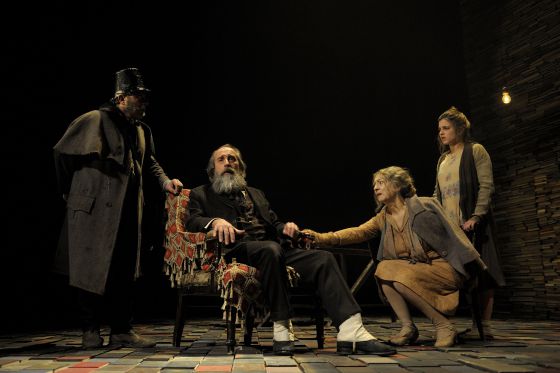
El actor Lluís Homar (Barcelona, 1957) llevaba 12 años sin asumir el reto de dirigir una obra de teatro y sólo “esas almas rotas” de Luces de bohemia le han convencido. Una propuesta que le llegó del anterior director de Centro Dramático Nacional, Gerardo Vera y que mañana se estrena en el María Guerrero. Desde sus tablas, y hasta el 25 de marzo, volverán a las calles de ese Madrid “absurdo, brillante y hambriento” que describía Valle-Inclán el medio centenar de personajes que pueblan una de las obras fundamentales del teatro del siglo XX. “Luces de Bohemia es un pozo sin fondo, es la mejor obra teatral española del siglo XX, es como la Biblia o como Hamlet y el Rey Lear. Uno se reconoce en ella y, por muy duro que sea lo que les pasa a esos personajes descarrilados,Valle les otorga esperanza. Por muy terribles que sean, le quiere”, afirma Homar.

Porque Luces de Bohemia es un aterrador tratado sobre las patologías que va más allá del ya histórico esperpento nacional (“los héroes clásicos reflejados en los espejos cóncavos dan el Esperpento. El sentido trágico de la vida española sólo puede darse con una estética sistemáticamente deformada”) es un reflejo de este mundo: “España es una deformación grotesca de la civilización europea”. Las palabras de Max Estrella (ese “ser o no ser” de nuestro teatro) estarán esta vez en boca del actor Gonzalo de Castro. Y Homar insiste en que para bien o para mal estas Luces de Bohemia no son de Lluís Homar sino de un equipo que ha trabajado en “mancomunidad”.

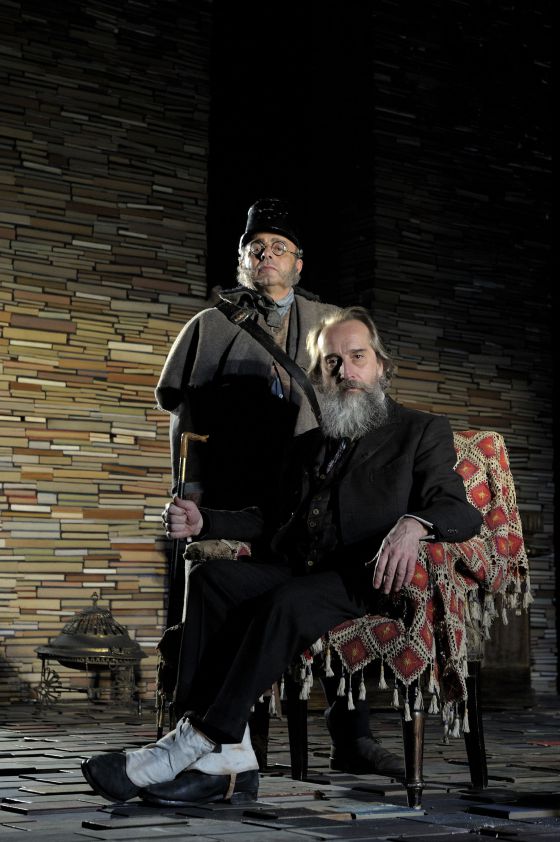
Gonzalo de Castro como Max Estrella y Enric Benavent como Don Latino de Hispalis. / DAVID RUANO (CDN)

“Conocí a Gonzalo hace 20 años, precisamente haciendo Tirano Banderas, conozco su historia y le admiro como actor. Es un tipo singular. Es un poeta de la vida y por eso sentía que habría empatía entre Max Estrella y él”. Frente a la tradición de elegir actores de más edad para interpretar al pobre diablo, Homar ha optado por un actor al final de la cuarentena que, pese a su larga y espesa barba gris, se acerca más a la edad del personaje que según la mayoría de los estudios inspiró la obra,  Alejandro Sawa, aquel escritor fracasado del que Valle-Inclán escribió: “He llorado delante del muerto, por él, por mí y por todos los pobres poetas”. Después de retirarle la colaboración de sesenta pesetas que tenía en El Liberal Sawa enloqueció. “Una locura desesperada. Quería matarse. Tuvo el final de un rey de tragedia: loco, ciego y furioso”

Dice Max Estrella: “La miseria del pueblo español, la gran miseria moral, está en su chabacana sensibilidad ante los enigmas de la vida y de la muerte. La Vida es un magro puchero: La Muerte, una carantoña ensabanada que enseña los dientes: El infierno, un calderón de aceite albando donde los pecadores se achicharran como boquerones: El Cielo,una kermés sin obscenidades adonde, con permiso del párroco,pueden asistir las Hijas de María. Este pueblo miserable transforma todos los grandes conceptos en un cuento de beatas costureras. Su religión es una chochez de viejas que disecan al gato cuando se les muere”.

Gonzalo de Castro Es un poeta de la vida y por eso sentía que habría empatía entre Max Estrella y él

Lluís Homar

“Si decidí hacer esta obra es precisamente para responder a los que quieren pensar que Valle es irrepresentable. Pero al leerle yo sentía que el teatro estaba en los personajes aunque la pregunta es siempre la misma: .¿Pero cómo se interpreta todo esto?”. Homar reconoce la dificultad de un texto cuya intensidad, profundidad y riqueza no da respiro. “Luces de bohemia es sainete y tragedia y esa yuxtaposición entre el teatro popular y la tragedia solo puede salvarse con mucha verdad y mucho entusiasmo por parte de todo el equipo.Necesitaba actores y técnicos dispuestos a zambullirse en esta aventura, que para nosotros ha sido ante todo una feliz aventura”

05 Imagine a World Without Free Knowledge

Hoy, miércoles 18. enero 2012 wikipedia te recibe en su página durante 24 horas con el siguiente diseño:
Imagine a World
Without Free Knowledge

For over a decade, we have spent millions of hours building the largest encyclopedia in human history. Right now, the U.S. Congress is considering legislation that could fatally damage the free and open Internet. For 24 hours, to raise awareness, we are blacking out Wikipedia. Learn more.

Contact your representatives.

Rellenando tu código postal pasa a la siguiente página donde aparece el listado de lso representantes electos de tu distrito y el siguiente texto para que te pongas en contacto con ellos y expreses tu repulsa a la iniciativa legislativa.

Call your elected officials.

Tell them you are their constituent, and you oppose SOPA and PIPA.

Why?

SOPA and PIPA cripple the free and open internet. They put the onus on website owners to police user-contributed material and call for the blocking of entire sites, even if the links are not to infringing material. Small sites will not have the sufficient resources to mount a legal challenge. Without opposition, large media companies may seek to cut off funding sources for small competing foreign sites, even if big media are wrong. Foreign sites will be blacklisted, which means they won’t show up in major search engines.

Wikipedia—and many other useful informational sites—cannot survive in a world where politicians regulate the Internet based on the influence of big money in Washington. It represents a framework for future restrictions and suppression. Congress says it’s trying to protect the rights of copyright owners, but the “cure” that SOPA and PIPA represent is much more destructive than the disease they are trying to fix.

If you’d like to learn even more about SOPA and PIPA, click here.

Aunque aquí no se reproduce el maravilloso diseño mediante el cual la wikipedia y otros grandes de internet protestan contra la ley propuesta en EE.UU estsa es la campaña que hoy ha empezado aqui.

salut

vicente

05 On Christa Wolf

On Christa Wolf

Günter Grass, translated by David Dollenmayer

Roving thoughts and provocations from our writers

AP Photo/Eckehard Schulz Günter Grass and Christa Wolf at the Leipzig Book Fair, March 21, 2002.

Wolf was awarded a prize for lifetime achievement. The German writer Christa Wolf, one of the most prominent and controversial novelists of her generation, died on December 1 at the age of eighty-two. At a memorial gathering at the Berlin Academy of the Arts, Günter Grass, her colleague and longtime friend, delivered the following eulogy, published here for the first time in English. Grass titled his remarks “What Remains,” which is also the title of a story Wolf published in 1990, deriving from the final line of Friedrich Hölderlin’s poem “Andenken” (“Remembrance,” c. 1803): “Was bleibet aber, stiften die Dichter” (What remains, however, is what the poets create). Grass’s polemical tone reflects the bitterness of the so-called Literaturstreit, the literary controversy occasioned by Wolf’s story, which was directly connected to the fall of the Berlin Wall and German reunification. It was a debate about the merits of East German writers who, like Wolf, chose to stay in the German Democratic Republic rather than emigrate to the West. Her story “What Remains,” written in 1979 but not published until after the Berlin Wall came down a decade later, is a thinly fictionalized account of how the Stasi spied on her and her husband. The critics whom Grass pillories accused Wolf of waiting to publish the story until it was safe to do so and suggested her work was compromised by her loyalty to the East German state. In his eulogy, Grass seeks to show the hypocrisy in that charge. As Ian Buruma put it in a 1990 essay on Wolf, “To demand courage in another person is always a tricky business when one is not exposed to the same dangers oneself.” Grass does not mention the epilogue to the Literaturstreit: in 1993, after reviewing the forty-two volumes of files the Stasi amassed on her and her husband, Wolf revealed in an article in the Berliner Zeitung that from 1959 to 1962, at the beginning of her career, she herself had been an “informal associate” of the Stasi—a so-called IM or informeller Mitarbeiter—and had discussed fellow East German writers and their publications with Stasi agents. Some of her critics became more sympathetic after she voluntarily published this information; Frank Schirrmacher, one of the critics who initiated the attack against her in 1990, now wrote that she “had not incriminated anyone in her reports but only reported amicably about upstanding comrades and talented colleagues.” Yet her reputation remained affected, making it difficult to assess her work dispassionately. While she continued to publish steadily until shortly before her death, many readers regard her earlier novels as her best work, especially The Quest for Christa T. (1968) and Patterns of Childhood (1976). —David Dollenmayer What Remains Christa Wolf belonged to the generation in which I also count myself. We were stamped by National Socialism and the late—too late—realization of all the crimes committed by Germans in the span of just twelve years. Ever since, the act of writing has demanded interpreting the traces that remain. One of Christa Wolf’s books, Patterns of Childhood, responds to that imperative, exposing her successive immersions in brown-shirted dictatorship and the doctrines of Stalinism. False paths credulously followed, stirrings of doubt and resistance to authoritarian constraints and beyond that, the recognition of one’s own participation in a system that was crushing the utopian ideals of Socialism—those are hallmarks of the five-decades of writing that established Wolf’s reputation, a journey that leads book by book from The Divided Sky (1963) to her final work, Stadt der Engel (“City of Angels,” 2010); and the books remain. To pick one out: “What Remains” is the title of a story published in June 1990 by Aufbau Verlag in the East and Luchterhand Verlag in the West. Even before it was available to East and West German readers, some West German journalists—the sort who assumed they were history’s victors and the hour of reckoning was at hand—ignored the embargo and struck. Christa Wolf, the celebrated author who had been much-praised for her resistance, the 1980 recipient of the Büchner Prize, Germany’s most prestigeous literary award, who was mobbed by enthusiastic students two years later as she delivered her Frankfurt Lectures on Poetics, Christa Wolf, whose voice had been heard in both Germanies, was now—the Wall hardly having fallen—subjected to an unending barrage of words. It was like a public execution. The weekly Die Zeit and the daily Frankfurter Allgemeine Zeitung launched the attack on June 1 and June 2, 1990. Ulrich Greiner and Frank Schirrmacher set the tone that, reverberating among a large pack of journalists, grew into a howling wolves’ chorus. The few dissenting voices were drowned out. What had caused so much malicious will to destroy? A text written in the summer of 1979 whose themes were doubt, self-doubt, and the eavesdropping and overt surveillance of Christa Wolf and her husband by the State Security Service of the GDR. From the security of their own desks and intoxicated by the sort of gratuitous courage that seems to flourish in editorial offices like a potted plant, these critics accused her of having been too cowardly to publish her story as soon as she had written it. To do so, claimed Ulrich Greiner, “would surely have been the end of Christa Wolf as a state poet and probably have resulted in exile.” From his safe corner he asserted magnanimously that “she could easily have found shelter in the West.” And Frank Schirrmacher went so far as to accuse her in the plural: “Everyone recognizes that these are sentences from 1989, not 1979.” Neither acknowledged that it also took a decade for Sommerstück (“Summer Piece”), the novel she wrote after “What Remains,” to be published in the GDR. What a prodigious amount of hypocritical outrage from the pens of journalists who had never been subject to state censorship, but who officiously and opportunistically served the zeitgeist. Led by powerful and influential newspapers, the press campaign of 1990 continued on, again and again springing back to life. Echoes of it can even be heard in some of her obituaries. It was especially the term Gesinnungsästhetik [an aesthetics based on policial convictions], coined to describe the work of Wolf and many other post-war German authors, that to this day inspires the petty minds that want to lock up literature and its creators in a piece of real estate known as the Ivory Tower. Hard on its heels, the personalized neologism Gutmensch [do-gooder, politically correct person], an expression of the prevailing cheap cynicism, came into circulation and was posthumously applied to Heinrich Böll. At this late date, after Christa Wolf’s death, we should probably not expect that the spokesmen of that bygone campaign might apologize in print, if only to acknowledge the pain their odious behavior caused. They obviously lack the self-doubt that Christa Wolf evinced all her life—in excess, in my opinion. 1990! Why do I linger in the morass of the year “What Remains” was published? Because it was the year our friendship began. We saw each other frequently, exchanged letters. Although Christa was at pains to keep her composure, one could see how much she was wounded by the unceasing attacks. What had been done to her in her own country, a country she loved in spite of everything, now continued in a similar, so to speak pan-German vein, and protected by a shield called “freedom of expression.” Slanders, misquotations, relentless attempts at character assassination. That shameful behavior is also what remains. That’s how sordid things were in the year of Germany’s reunification. But what remains, above all, are her many books. At a time when East and West, bristling with weapons, faced off in rigid ideological confrontation, she wrote books that crossed and overcame this divide, books that have lasted: the great, allegorical novels, the personal account of illness and pain. And it was Christa Wolf who wrote the book Störfall (“Accident”) after the atomic disaster in Chernobyl, a book that foresaw its recurrence at Fukushima—a book that imagined all of us sucked into a catastrophic descent, at the end of which even the hopeful question, “What remains?,” will no longer admit subjunctive answers, and will instead become empty of meaning.

January 17, 2012, 9:15 a.m.

05 Ezra Pound’s daughter fights to wrest the renegade poet’s legacy from fascists

The Guardian home The Observer home

Ezra Pound’s daughter fights to wrest the renegade poet’s legacy from fascists

The 86-year-old Mary De Rachewiltz is taking on a band of Italian neofascists who are using her father’s name

Mary De Rachewiltz

Mary De Rachewiltz, Ezra Pound’s 86-year-old daughter, has gone to court to stop a neofascist organisation using her father’s name.

The Italian castle where the poet Ezra Pound retreated in the 1950s to work on his epic poem The Cantos could scarcely be more remote, perched on a sheer rock outcrop against snowy peaks on the Austrian border.

More than half a century later, Pound’s 86-year-old daughter still savours the isolation of Brunnenburg castle’s lofty wood-panelled and book-lined rooms, where she reads the poem to visitors and mulls over her extraordinary upbringing by the renegade US poet.

But Mary De Rachewiltz’s peace has been shattered by the murky world of Italian neofascist politics and the fallout from a bloody shooting spree through Florence’s ancient piazzas that left two immigrants dead in December.

Angered by the decision of a rising fascist group called CasaPound to name itself after her father in honour of his support for dictator Benito Mussolini, De Rachewiltz is seeking through the courts to force the group to drop the name, and has accelerated her efforts after a CasaPound sympathiser shot dead two Senegalese street traders and wounded three others before turning the gun on himself.

“I was ashamed and hurt by the news,” she told the Observer. “The fascists want to claim Pound, but they have nothing to do with Pound. They are a nuisance and there has to be something I can do to stop them.”

Striding up the stone spiral staircase of the castle, De Rachewiltz heads for a corner study that commands breathtaking views up to rock faces and a piercing blue sky and down past the family vineyard to the valley far below.

An accomplished poet herself, De Rachewiltz has surrounded herself at Brunnenburg by Pound’s possessions, including sculptures and old school books in which he drafted, in different coloured inks, sections of The Cantos, the historical work seen as one of the 20th century’s major poems. She calls it “her bible”.

De Rachewiltz’s devotion to her charismatic father has never flagged, despite being given up for fostering at birth in 1925 to a peasant couple in South Tyrol by Pound and her mother, the US violinist Olga Rudge, who was the poet’s mistress. Before her birth, Pound had settled in Italy with his wife after blazing a trail across the London poetryscene, en route to becoming a fixture on Paris’s Left Bank, where he helped TS Eliot edit The Waste Land and mentored Ernest Hemingway, who tried to teach him to box.

In total contrast, De Rachewiltz’s early upbringing revolved around bee-keeping and sheep herding, albeit broken up by trips to see her father and his mistress at the home they kept in Venice.

“The Tyrolean peasant is still ingrained in me,” said De Rachewiltz, who recalls smashing a violin her elegant mother gave her. A tense relationship between Rudge and her dialect-speaking daughter ensued. “I think I was influenced by my foster parents, who probably envied ‘the lady in the silk stockings’ who would pick me up,” she said.

With Pound she forged a strong bond as they roamed Venice together, visiting bookshops and taking the vaporetto waterbus out to swim at the Lido. Later, Pound would ask his daughter to translate the poem he had started, The Cantos, into Italian. “In 1943, at the height of the war, when I was back in South Tyrol for safekeeping, Pound made his way from Rome to make sure I was safe,” De Rachewiltz recalls. During the visit he finally confessed to her that he had a wife in Rapallo on Italy’s Ligurian coast. By that time Pound was a wanted man in the US after endorsing Mussolini’s brand of fascism and making a string of radio broadcasts – which were riddled with antisemitic statements – to persuade America to stay out of the war.

Arrested in 1945 by American troops and kept in a cage for three weeks, where he showed signs of a mental breakdown, Pound was charged with treason and spent the next 12 years in a mental institute in the US.

De Rachewiltz has since fought a lifelong battle to separate Pound the poet from Pound the fascist and antisemite, which is why the emergence of CasaPound – now boasting 5,000 members – is so painful.

She rebuffs the suggestion that CasaPound’s lionisation of him is no more than he deserves. “Pound just quoted what Mussolini said,” she said. “This organisation is hiding behind Pound’s name for intellectual cover,” she added. “He made mistakes and we have to take the good part of him, just as he did with others. He fell into certain antisemitic clichés that were rampant in Europe and the US at the time.”

Pound later told the American poet Allen Ginsburg that his worst mistake in life was his “stupid suburban antisemitic prejudice”.

Released by the US government in 1958, Pound returned to Italy, where his daughter had married an Italian Egyptologist of Russian descent, Boris de Rachewiltz. They had purchased Brunnenburg, then in ruins. “It cost more to put in windows than to buy the castle,” she recalls.

Pound moved to the castle to continue work on The Cantos, joined by his wife Dorothy, “who stayed in her room reading Henry James”, recalls De Rachewiltz. But after years in an overheated mental institute, Pound was not fit for drafty castle life, and returned to Rapallo, where Olga cared for him until his death in 1972.

De Rachewiltz now sees that rivalry with her mother for Pound’s affections clouded their relationship. “Anyone who met Pound loved him,” she said. “When he wrote ‘Pride, jealousy, and possessiveness/ 3 pains of hell’, he was writing about all of us, including his wife. We all wanted him for ourselves. I re-read my mother’s letters now and see how much she loved me.”

Decades on, surrounded by her family, De Rachewiltz reads and writes, stopping for lunches of bread and cheese with a glass of red wine from her vines, followed by a cup of Earl Grey at four. TV soap operas are an occasional pleasure.

The CasaPound legal case, she insists, will not break up her routine. “I do not want to meet them,” she said. “If he was here, Pound would say they need to go back to kindergarten.”

04 Do the Classics Have a Future?

Do the Classics Have a Future?

by Mary Beard  •  Jan. 12, 2012

nybooks.com

beard_1-011212.jpg Dante and Virgil in the first circle of hell, meeting Greek philosophers, including Plato, Socrates, Heraclitus, and Empedocles, who were virtuous in life but are condemned to Limbo because they were never baptized; engraving by Gustave Doré

The year 2011 has been an unusually good one for the late Terence Rattigan: Frank Langella starred on Broadway in his play Man and Boy (a topical tale of the collapse of a financier), its first production in New York since the 1960s; and a movie of The Deep Blue Sea, featuring Rachel Weisz as the wife of a judge who goes off with a pilot, premiered at the end of November in the UK and opens in the US in December. It’s the centenary of Rattigan’s birth (he died in 1977), and it has brought the kind of reevaluation that centenaries often do. For years—in the eyes of critics, although not of London West End audiences—his elegant stories of the repressed anguish of the privileged classes were no match for the working-class realism of John Osborne and the other angry young dramatists. But we are learning to look again.

I have been looking again at another Rattigan play, The Browning Version, first performed in 1948. It is the story of Andrew Crocker-Harris, a forty-something schoolteacher at an English private school—an old-fashioned disciplinarian who is being forced into early retirement because of a serious heart condition. The Crock’s other misfortune (and “the Crock” is what the children call him) is that he is married to a truly venomous woman called Millie, who divides her time between an on-off affair with the science teacher and devising various bits of domestic sadism to destroy her husband.

But the title of the play takes us back to the classical world. The Crock, as you will already have guessed, teaches the classics (what else could he teach with a name like Crocker-Harris?), and the “Browning Version” of the title refers to the famous 1877 translation by Robert Browning of Aeschylus’ play Agamemnon. Written in the 450s BC, the Greek original told of the tragic return from the Trojan War of King Agamemnon, who was murdered on his arrival home by his wife Clytemnestra and by the lover she had taken while Agamemnon had been away.

This classic is, in a sense, the real star of Rattigan’s play. It is given to the Crock as a retirement present by John Taplow, a pupil who has been taking extra Greek lessons, and who has gradually come to feel some affection for the crabby old schoolmaster. The giving of the gift is the key moment, almost the moment of redemption, in the plot. It is the first time that Crocker-Harris’s mask slips: when he opens the “Browning Version,” he cries. Why does he cry? First, because it forces him to face how he himself is being destroyed, as Agamemnon was, within an adulterous marriage—you’ll have gathered by now that this is not exactly a feminist play. But he cries also because of what young Taplow has written on the title page. It’s a line from the play, carefully inscribed in Greek, which the Crock translates as “God from afar looks graciously upon a gentle master.” He interprets this as a comment on his own career: he has made sure not to be a gentle schoolmaster, and God has not looked graciously upon him.

Rattigan is doing more here than exploring the tortured psyches of the British upper-middle class (and it’s not just another “school story,” which Americans often think a quirky fixation of British writers). Well classically trained himself, he is also raising central questions about the classics, the classical tradition, and our modern engagement with it. How far can the ancient world help us to understand our own? What limits should we place on our reinterpretation and reappropriation of it? (When Aeschylus wrote “God from afar looks graciously upon a gentle master,” he certainly did not have a schoolmaster in mind, but a military conqueror; in fact, the phrase—and this too, I guess, was part of Rattigan’s point—was one of the last spoken by Agamemnon to Clytemnestra before she took him inside to kill him.)

To put it another way, how do we make the ancient world make sense to us? How do we translate it? Young Taplow doesn’t actually rate Browning’s translation very highly, and indeed—to our tastes—it is written in awful nineteenth-century poetry-speak (“Who conquers mildly, God, from afar, benignantly regardeth,” as Browning puts the key line, is hardly going to send most of us rushing to the rest of the play.) But when, in his lessons, Taplow himself gets excited by Aeschylus’ Greek and comes out with a wonderfully spirited but slightly inaccurate version of one of the murderous bits, the Crock reprimands him—”you are supposed to be construing Greek“—that is, translating the language literally, word for word—”not collaborating with Aeschylus.”

Most of us now, I suspect, are on the side of the collaborators, with their conviction that the classical tradition is something to be engaged with, and sparred against, not merely replicated and mouthed. In this context, I can’t resist reminding you of the flagrantly modern versions of Homer’s Iliad by the English poet Christopher Logue, who died on December 2—Kings, War Music, and others—”the best translation of Homer since [Alexander] Pope’s,” as Garry Wills called them in these pages.*1 This was, I think, both a heartfelt and a slightly ironic comment. For the joke is that Logue, our leading collaborator with Homer, knew not a word of Greek.

Many of the questions raised by Rattigan underlie what I have to say. I’m not here to convince you that classical literature, culture, or art is worth taking seriously; I suspect that would be preaching to the converted. I’m here instead to suggest that the cultural language of the classics continues to be an essential and ineradicable dialect of “Western culture” (embedded in the drama of Rattigan, as much as in the poetry of Ted Hughes or the novels of Margaret Atwood or Donna Tartt—The Secret History couldn’t, after all, have been written about a department of geography). But I also want to examine a bit more closely our fixation on the decline of classical learning. And here too Rattigan’s Browning Version, or its sequels, offer an intriguing perspective.

The play has always been popular with impoverished theater and TV companies, partly for the simple reason that Rattigan set the whole thing in Crocker-Harris’s sitting room, which makes it extremely cheap to stage. But there have also been two movie versions of The Browning Version, which did venture outside Crocker-Harris’s apartment to exploit the cinematic potential of the English private school, from its quaint wood-paneled classrooms to its rolling green cricket pitches. Rattigan himself wrote the screenplay for the first one, starring Michael Redgrave, in 1951. He used the longer format of the film to expand on the philosophy of education, pitting the teaching of science (as represented by Millie’s lover) against the teaching of the classics (as represented by the Crock). And he gave the Crock’s successor as the classics teacher, Mr. Gilbert, a bigger part—making it clear that he was going to move away from the hard-line Latin and Greek grammar grind, to what we would now call a more “pupil-centered” approach.

In 1994 another movie version was made, this time starring Albert Finney. It had been modernized: Millie was renamed Laura, and her science-master lover was now a decidedly preppy American. There was still some sense of the old story: Finney held his class spellbound when he read them some lines of Aeschylus and he cried at the gift of the “Browning Version” even more movingly than Redgrave had. But in a striking twist, a new narrative of decline was introduced. In this version, the Crock’s successor is in fact going to stop teaching the classics entirely. “My remit,” he says in the film, “is to organize a new languages department: modern languages, German, French, Spanish. It is after all a multicultural society.” The Crock is now to be seen as the very last of his species.

But if this movie predicts the death of classical learning, it inadvertently appears to confirm it too. In one scene, the Crock is apparently going through with his class a passage of Aeschylus in Greek, which the pupils are finding very hard to read. Any sharp-eyed classicist will easily spot why they might have been having trouble: for each boy has on his desk only a copy of the Penguin translation of Aeschylus (with its instantly recognizable front cover); they haven’t got a Greek text at all. Presumably some bloke in the props department had been sent off to find twenty copies of the Agamemnon and knew no better than to bring it in English.

That specter of the end of classical learning is one that is probably familiar to everyone. With some trepidation, I want to try to get a new angle on the question, to go beyond the usual gloomy clichés, and (with the help in part of Terence Rattigan) to take a fresh look at what we think we mean by “the classics.” But let’s first remind ourselves of what recent discussion of the current state of the classics, never mind their future, tends to stress.

The basic message is a gloomy one. Literally hundreds of books, articles, reviews, and Op-Ed pieces have appeared over the last ten years or so, with titles like “The Classics in Crisis,” “Can the Classics Survive?,” “Who Killed Homer?,” “Why America Needs the Classical Tradition,” and “Saving the Classics from Conservatives.” All of these in their different ways lament the death of the classics, conduct an autopsy upon them, or recommend some rather belated life-saving procedures. The litany of gloomy facts and figures paraded in these contributions, and their tone, are in broad terms familiar. Often headlined is the decline of Latin and Greek languages in high schools (last year fewer than three hundred young people in England and Wales took classical Greek as part of their high school leaving exam, and those overwhelmingly from private schools) or the closing of university departments of the classics all over the world.

In fact, in November 2011 an international petition was formally launched to ask UNESCO—in the light of the increasing marginalization of the classical languages—to declare Latin and Greek a specially protected “intangible heritage of humanity.” I am not sure what I think about treating classical languages as if they were an endangered species or a precious ruin, but I am fairly confident that it wasn’t great politics, right now, to suggest (as the petition does) that their preservation should be made the particular responsibility of the Italian government. I think Mario Monti has rather too much on his plate already.

What has caused this decline attracts a variety of answers. Some argue that the supporters of the classics have only themselves to blame. It’s a “Dead White European Male” sort of subject that has far too often acted as a convenient alibi for a whole range of cultural and political sins, from imperialism and Eurocentrism to social snobbery and the most mind-numbing form of pedagogy. The British dominated their empire with Cicero in hand; Goebbels chose Greek tragedy for his bedside reading (and, if you believe Martin Bernal, he would have found confirmation for his crazed views of Aryan supremacy in the traditions of classical scholarship itself). Chickens have come home to roost, it’s sometimes said, for the classics in the new multicultural world. Not to mention the fact that, in England at least, the learning of the Latin language was for generations the gatekeeper of rigid class privilege and social exclusivity—albeit at a terrible cost to its apparent beneficiaries. It gave you access to a narrow elite, that’s for sure, but committed your childhood years to the narrowest educational curriculum imaginable; nothing much else but translation into and out of Latin (and when you got a little older, Greek). In the movie of The Browning Version we find Crocker-Harris making his pupils translate into Latin the first four stanzas of Tennyson’s “Lady of Shalott”: an exercise as pointless as it was prestigious.

beard_2-011212.jpg Dante and Virgil in the ninth circle of hell, being held by the giant Antaeus; engraving by Gustave DoréOthers claim that the classics have failed within the politics of the modern academy. If you were to follow Victor Davis Hanson and his colleagues, you would in fact lay the blame for the general demise of the subject firmly at the door of careerist Ivy League academics who (in the pursuit of large salaries and long sabbaticals) have wandered down some self-regarding postmodern cul-de-sac, when ordinary students and the “folks out there” really want to hear about Homer and the other great paragons of Greece and Rome. To which the retort is: maybe it is precisely because professors of the classics have refused to engage with modern theory and persisted in viewing the ancient world through rose-tinted spectacles (as if it was a culture to be admired) that the subject is in imminent danger of turning into an antiquarian backwater.

The voices insisting that we should be facing up to the squalor, the slavery, the misogyny, the irrationality of antiquity go back through Moses Finley and the Irish poet and classicist Louis MacNeice to my own illustrious nineteenth-century predecessor in Cambridge, Jane Ellen Harrison. When I should be remembering the glories of Greece, wrote MacNeice memorably in his Autumn Journal,

I think instead
Of the crooks, the adventurers, the opportunists,
The careless athletes and the fancy boys…
…the noise
Of the demagogues and the quacks; and the women pouring
Libations over graves
And the trimmers at Delphi and the dummies at Sparta and lastly
I think of the slaves.

Of course, not everything written on the current state of the classics is irredeemably gloomy. Some breezy optimists point, for example, to a new interest among the public in the ancient world. Witness the success of movies like Gladiator or Stacy Schiff’s biography of Cleopatra or the continuing stream of literary tributes to, or engagements with, the classics (including at least three major fictional or poetic reworkings of Homer in the last twelve months). And against the baleful examples of Goebbels and British imperialism, you can parade a repertoire of more radical heroes of the classical tradition—as varied as Sigmund Freud, Karl Marx (whose Ph.D. thesis was on classical philosophy), and the American Founding Fathers.

As for Latin itself, a range of different stories is told in the post-Crocker-Harris world. Where the teaching of the language hasn’t been abolished altogether, you are now likely to read of how Latin, freed of the old-fashioned grammar grind, can make a huge impact on intellectual and linguistic development: whether that’s based on the studies from schools in the Bronx that claim to show that learning Latin increases children’s IQ scores or on those common assertions that knowing Latin is a tremendous help if you want to learn French, Italian, Spanish, or any other Indo-European language you care to name.

But there’s a problem here. Some of the optimists’ objections do hit home. The classical past has never been co-opted by only one political tendency: the classics have probably legitimated as many revolutions as they’ve legitimated conservative dictatorships (and Aeschylus has over the years been performed both as Nazi propaganda and to support liberation movements in sub-Saharan Africa). Some of the counterclaims, though, are plain misleading. The success of Gladiator was absolutely nothing new; think of Ben-Hur, Spartacus, The Sign of the Cross, and any number of versions of The Last Days of Pompeii right back almost to the very beginning of cinema. Nor is the success of popular classical biography; countless people of my generation were introduced to antiquity through the biographies by Michael Grant, now largely forgotten.

And I’m afraid that many of the arguments now used to justify the learning of Latin are perilous too. Latin certainly teaches you about language and how language works, and the fact that it is “dead” can be quite liberating: I’m forever grateful that you don’t have to learn how to ask for a pizza in it, or the directions to the cathedral. But honestly, if you want to learn French, you’d frankly be better off doing that, not starting with some other language first. There is really only one good reason for learning Latin, and that is that you want to read what is written in it.

That’s not quite what I mean, though. My bigger question is: What drives us so insistently to examine the “state” of the classics, and to buy books that lament their decline? Reading through opinion after opinion it can sometimes feel that you are entering a strange form of hospital drama, a sort of academic ER, with an apparently sick patient (the classics) surrounded by different doctors who can’t quite agree on either the diagnosis or prognosis. Is the patient merely malingering and really fighting fit? Is a gradual improvement likely, but perhaps never back to the peak of good health? Or is the illness terminal and palliative care or covert euthanasia the only options? But why are we so interested in what’s going to happen to the classics, and why discuss it in this way, and fill so many pages with the competing answers? There’s something a bit paradoxical about the “decline of the classics debate” and the mini publishing industry that appears to depend on large number of key supporters of the classics buying books that chart their demise. I mean, if you don’t give a toss about Latin and Greek and the classical tradition, you don’t choose to read a book on why no one’s interested in them anymore.

You will, I suspect, already have spotted all kinds of different assumptions about what we think “the classics” are underlying the various arguments about their state of health: from something that comes down more or less to the academic study of Latin and Greek to—at the other end of the spectrum—a wider sense of popular interest in the ancient world in all its forms. Part of the reason why people disagree about how “the classics” are doing is that when they talk about “the classics” they aren’t talking about the same thing. I don’t plan to offer a straightforward redefinition. But I am going to pick up some of the themes that emerged in Terence Rattigan’s play to suggest that the classics are embedded in the way we think about ourselves, and our own history, in a more complex way than we usually allow. They are not just from or about the distant past. They are also a cultural language that we have learned to speak, in dialogue with the idea of antiquity. And to state the obvious, in a way, if they are about anybody, the classics are, of course, about us as much as about the Greeks and Romans.

But first the rhetoric of decline, and let me read you another piece of gloom:

On many sides we hear confident assertions…that the work of Greek and Latin is done—that their day is past. If the extinction of these languages as potent instruments of education is a sacrifice inexorably demanded by the advancement of civilisation, regrets are idle, and we must bow to necessity. But we know from history that not the least of the causes of the fall of great supremacies has been the supine-ness and short-sightedness of their defenders. It is therefore the duty of those who believe…that Greek and Latin may continue to confer in the future, as they have done in the past, priceless benefits upon all higher human education, to inquire whether these causes exist, and how they may be at once removed. For if these studies fall, they fall like Lucifer. We can assuredly hope for no second Renaissance.

Now, as you will have guessed from the rhetorical style, that was not written yesterday (although you could have heard much the same points made yesterday). It is, in fact, by the Cambridge Latinist J.P. Postgate, lamenting the decline of Latin and Greek in 1902—a famous lament, published in an influential London magazine (The Fortnightly Review) and powerful enough to lead directly, over one hundred years ago, to the establishment in the UK of the Classical Association, whose aim was to bring like-minded parties together explicitly to save the classics.

The point is that you can find such lamentations or anxieties almost anywhere you look in the history of the classical tradition. As is well known, Thomas Jefferson, in 1782, justified the prominence of the classics in his own educational curriculum partly because of what was happening in Europe: “The learning Greek and Latin, I am told, is going into disuse in Europe. I know not what their manners and occupations may call for: but it would be very ill-judged in us to follow their example in this instance.”

All this seems almost preposterous to us; for, in our terms, these are voices from the Golden Age of classical study and understanding, the age that we have lost. But they are an important reminder of one of the most important aspects of the symbolic register of the classics: that sense of imminent loss, the terrifying fragility of our connections with distant antiquity (always in danger of rupture), the fear of the barbarians at the gates and that we are simply not up to the preservation of what we value. That is to say, tracts on the decline of the classics are not commentaries upon it, they are debates within it: they are in part the expressions of the loss and longing and the nostalgia that have always tinged classical studies. As so often, creative writers capture this sense rather more acutely than professional classicists. The sense of fading, absence, past glories, and the end of an era is a very clear message of The Browning Version.

But another side of the fragility is a major theme of Tony Harrison’s extraordinary play The Trackers of Oxyrhynchus, first performed in 1988—featuring (in one part of a complex plot that mixes ancient and modern) a pair of British classicists who are excavating in the rubbish dumps of the town of Oxyrhynchus in Egypt for the scraps of papyrus, with all the “new” bits of classical literature that they may contain, or the precious glimpses they might give of the mundane and messy real life of the ancient world. But as Harrison insists, all you ever get are the fragments from the wastepaper baskets—and the frustration and disappointments of the process send one of the excavators mad.

The truth is that the classics are by definition in decline; even in what we now call the “Renaissance,” the humanists were not celebrating the “rebirth” of the classics; rather like Harrison’s “trackers,” they were for the most part engaged in a desperate last-ditch attempt to save the fleeting and fragile traces of the classics from oblivion. There has been no generation since at least the second century AD that has imagined that it was fostering the classical tradition better than its predecessors. But there is of course an up-side here. The sense of imminent loss, the perennial fear that we might just be on the verge of losing the classics entirely, is one very important thing that gives them—whether in professional study or creative reengagement—the energy and edginess that I think they still have.

beard_3-011212.jpg Robert Browning and his son Robert Barrett Browning in Venice, November 1889I am not sure that this helps us very much in predicting the future of the classics, but my guess is that in 2111 people will still be engaging with the classics, edgily and creatively, that they will still be lamenting their decline—and probably looking back to us as a Golden Age of classical studies.

But the question still remains: What do we mean by “the classics”? I am conscious that I have been almost as inconsistent as those I have criticized. Sometimes I have been talking about Latin and Greek, sometimes about a subject studied by people who self-describe as classicists, sometimes about a much more general cultural property (the stuff of movies, novels, and poetry). Now definitions are often false friends. The smartest and most appealing tend to exclude too much; the most judicious and broadest are so judicious as to be unhelpfully dull. (One recent attempt to define the classics runs: “the study of the culture, in the widest sense, of any population using Greek and Latin, from the beginning to (say) the Islamic invasions of the seventh century AD.” True, but…)

I’m not going to construct an alternative. But I do want to reflect on what the coordinates of a definition might be—on a template that might be more helpful in thinking about what “the classics” are, and how their future might lie. At its simplest, I think that we have to go beyond the superficially plausible idea (embedded in the definition I’ve just quoted) that the classics are—or are about—the literature, art, culture, history, philosophy, and language of the ancient world. Of course they are partly that. The sense of loss and longing that I described is for the culture of the distant past, the fragments of papyrus from the trash cans of Oxyrhynchus. But not solely. As the nostalgic rhetoric makes absolutely clear, the sense of loss and longing is also for our predecessors whose connections to the ancient world we often believe to have been so much closer than our own.

To put this as crisply as I can, the study of the classics is the study of what happens in the gap between antiquity and ourselves. It is not only the dialogue that we have with the culture of the classical world; it is also the dialogue that we have with those who have gone before us who were themselves in dialogue with the classical world (whether Dante, Raphael, William Shakespeare, Edward Gibbon, Pablo Picasso, Eugene O’Neill, or Terence Rattigan). The classics (as writers of the second century AD had already spotted) are a series of “Dialogues with the Dead.” But the dead do not include only those who went to their graves two thousand years ago. This is an idea nicely captured in another article in The Fortnightly Review, this time a skit that appeared in 1888, a sketch set in the underworld, in which a trio of notable classical scholars (the long-dead Bentley and Porson, plus their recently deceased Danish colleague Madvig) have a free and frank discussion with Euripides and Shakespeare. This little satire also reminds us that the only actual speakers in this dialogue are us; it is we who ventriloquize, who animate what the ancients have to say: in fact, here the classical scholars complain what a terrible time they are having in Hades, because they are constantly being told off by the ancient shades who complain that the classicists have got them wrong.

Two quite simple things follow from this. The first is that we should be much more alert than we often are to the claims we make about the classical world—or, at least, we should be more strategically aware of whose claims they are. Take, for example, the common statement “The ancient Athenians invented democracy.” Put like that, it is simply not true. As far as we know, no ancient Greek ever said so; and anyway democracy isn’t something that is “invented” like a piston engine. Our word “democracy” derives from the Greek, that is correct. Beyond that, the fact is that we have chosen to invest the fifth-century Athenians with the status of “inventors of democracy”; we have projected our desire for an origin onto them. (And it’s a projection that would have amazed our predecessors two hundred years ago—for most of whom fifth-century-BC Athenian politics was the archetype of a disastrous form of mob rule.)

The second point is the inextricable embeddedness of the classical tradition within Western culture. I don’t mean that the classics are synonymous with Western culture; there are of course many other multicultural strands and traditions that demand our attention, define who we are, and without which the contemporary world would be immeasurably poorer. But the fact is that Dante read Virgil’s Aeneid, not the epic of Gilgamesh. What I have stressed so far is our engagement with our predecessors through their engagement with the classics. The slightly different spin on that would be to say that it would be impossible now to understand Dante without Virgil, John Stuart Mill without Plato, Donna Tartt without Euripides, Rattigan without Aeschylus. I’m not sure if this amounts to a prediction about the future; but I would say that if we were to amputate the classics from the modern world, it would mean more than closing down some university departments and consigning Latin grammar to the scrap heap. It would mean bleeding wounds in the body of Western culture—and a dark future of misunderstanding. I doubt we’ll go that way.

I would like to finish with two final points, one a slightly austere observation about knowledge and expertise; the other something rather more celebratory.

First, knowledge: I have referred several times to the way that we ourselves have to ventriloquize the ancient Greeks and Roman, and to animate their writings and the material traces they have left; the dialogue that we have with them is not an equal one; we’re in the driver’s seat. But if it’s going to be a useful and constructive dialogue, not an incoherent and ultimately pointless Babel, it needs to be founded on expertise in the ancient world and in ancient languages. Now I don’t mean by that that everyone should learn Latin and Greek (any more than I mean that no one can get anything out of Dante unless they personally have read Virgil). Luckily, cultural understanding is a collaborative, social operation.

The important cultural point is that some people should have read Virgil and Dante. To put it another way, the overall strength of the classics is not to be measured by exactly how many young people know Latin and Greek from high school or university. It is better measured by asking how many believe that there should be people in the world who do know Latin and Greek, how many people think that there is an expertise in that worth taking seriously—and ultimately paying for.

My one concern, I suppose, is that while there is still a huge and widespread enthusiasm for the classics, expertise in the sense I have just mentioned is more fragile. Christopher Logue knew no Greek when he embarked on the Iliad; but he knew a man who did know it, very well—Donald Carne-Ross, who went on to become professor of the classics at Boston University. Compare that collaboration to the way, even in significant publications in academic disciplines bordering on the classics (in art history, for example, or English), you repeatedly find misprinted, garbled, wrongly translated Latin and Greek. I don’t mind the authors not knowing the languages; that’s fine. But I do mind that they don’t bother to call on someone else’s expertise to help them get it right. Most ironically of all, perhaps, in my own recent copy of Rattigan’s Browning Version, the bits of Greek that are central to the play are so misprinted that they make little sense. The Crock would be turning in his grave. Or to put it my way, you can’t have a dialogue with nonsense.

But I don’t want to end with that curmudgeonly thought. As I looked over what I had written, I thought that there was one thing about the classics that had got left out in this lecture: a due sense of wonderment. Professional classicists are not good in this respect. You’ll most often hear them complaining about all the things we don’t know about the ancient world, bemoaning that we have lost so many books of Livy, or that Tacitus doesn’t tell us about the Roman poor. But that is to miss the point. What is truly amazing is what we have, not what we don’t have from the ancient world. If you didn’t already know, and someone were to say that material written by people who lived two millennia ago or more still survived in such quantities that most people wouldn’t be able to get through it in a lifetime—you wouldn’t believe them. It’s astonishing. But it’s the case; and it offers the possibility of a most wondrous shared voyage of exploration.

At this point in my reflections I picked up Browning’s translation of the Agamemnon and looked more carefully at how he introduced it. “May I be permitted,” he writes, “to chat a little, by way of recreation, at the end of a somewhat toilsome and perhaps fruitless adventure?”

Toilsome? Probably. Fruitless? I don’t think so, despite the very old-fashioned ring of Browning’s language. Adventure? Yes certainly—and adventures in the classics are something we can all share.

* “Homer Alive,” The New York Review , April 23, 1992.

04 Why Europe Is Right and Obama Is Wrong

SPIEGEL ONLINE

SPIEGEL ONLINE


10/03/2011 10:13 AM

America’s Debt Crisis

Why Europe Is Right and Obama Is Wrong

A Commentary by Michael Sauga

US President Barack Obama has recently suggested that Europe must take on more debt to stimulate the economy. Such reliance on cheap money, though, is what got us into the current crisis in the first place — both in Europe and in the US. America’s problem isn’t too little money. It’s a lack of competitive products.

“The Broken Jug” is one of the most frequently performed plays in German theater. With the village judge Adam, who passes judgment on a crime he committed himself, Heinrich von Kleist created one of the classic comedic figures of world literature.

US President Barack Obama currently seems to be portraying a modern version of Kleist’s village judge. He is increasingly vocal in his criticism of Europeans for supposedly having exacerbated the ongoing economic crisis with their caution. His audience, however, seems to sense that the plight Obama is lamenting originated in his own country.

It stems from a doctrine that has dominated economic thought for the last two decades and consists of two elements: turbo-capitalism, whose only tenet is that any regulation of financial markets inhibits growth, and its more accommodating but no less dangerous brother, turbo-Keynesianism.

American economists, central bankers and fiscal policy makers have reinterpreted British economist John Maynard Keynes’s clever idea that government spending is the best way to counteract a serious economic downturn — and have turned it into a permanent prescription. In their version of the Keynesian theory, declining growth or tumbling stock prices should prompt central banks to lower interest rates and governments to come to the rescue with economic stimulus programs. US economists call this “kick-starting” the economy.

Laying the Groundwork for the Next Crash

The only problem is that this method of encouraging growth has not stimulated the US economy in recent years, but in fact has put it on a crash course. From the Asian economic crisis to the Internet and subprime mortgage bubbles, economic stimulus programs by monetary and fiscal policy makers have regularly laid the groundwork for the next crash instead of encouraging sustainable growth. In the last decade, the volume of lending in the United States grew five times as fast as the real economy.

Cheap money created the fertilizer for the excesses of the US financial industry. Low interest rates seduced mortgage providers into talking even the homeless into taking out mortgages. And the same low rates made it easier for investment banks and hedge funds, using increasingly risky loan structures, to transform the once-leisurely insurance and bond markets into casinos.

Now the bubble has burst. This has not, however, prompted the US government to conclude that its prescriptions could have been wrong. On the contrary, now it wants to increase the dose. Obama plans to follow the largely unsuccessful 2008 economic stimulus program with a new program this year. Meanwhile, Federal Reserve Chairman Ben Bernanke says that he intends to flood the economy with cheap liquidity — for years, if necessary.

The real problem, though, is a different one. The US economy doesn’t lack money. Rather, it lacks products that can compete in the global marketplace. The country has a deep trade deficit, yet the Obama administration is borrowing money at the same rate as near-bankrupt Greece.

A Rapid End

Not even the financial sector, with its affection for cheap money, believes that this is the way to guide the United States out of the crisis. When the Fed recently announced a new version of its low-interest-rate policy, with the snappy name “Twist,” it led to a sharp decline in the stock market instead of the expected boost.

It is all the more disconcerting that Obama is now recommending that the Europeans emulate his failed strategy. To save the euro, the president has proposed that Europe take on more debt to augment their bailout funds and stimulate their economies. Like a doctor caught prescribing performance-enhancing drugs, Obama has not chosen to cease his activities. Rather he is trying to ensure that as many people as possible have access to his wares.

The fact that Europeans are unwilling to comply with Obama’s strange logic gives reason for hope. It makes no sense to pile up more and more debt on already unstable piles of debt. The world doesn’t have too little debt, but too much.

Obama should retract his advice, or he might end up like the village judge in Kleist’s comedy. When his deception was discovered, he was forced to flee and his days as a judge came to a rapid end.

Translated from the German by Christopher Sultan

Related SPIEGEL ONLINE links:

© SPIEGEL ONLINE 2011
All Rights Reserved
Reproduction only allowed with the permission of SPIEGELnet GmbH

04 World’s 10 Worst Toxic Pollution Problems [Slide Show]

World’s 10 Worst Toxic Pollution Problems [Slide Show]

Mercury, lead, chromium and other toxic compounds, used in many industrial processes, rob years of healthy life from millions each year. Simple fixes could go far in solving the issue

By David Biello | Thursday, November 10, 2011 | 11

pesticide-skin-problems POLLUTION PROBLEM: Improperly used pesticides can lead to a host of health impacts, including those pictured, and lands such pollution at number three on a list of the world’s worst pollution problems. Image: Courtesy of the Blacksmith Institute

The price of gold affects more than global finances; it also drives the world’s most toxic pollution problem, according to new research from the Blacksmith Institute, an environmental health group based in New York City. Miners in countries from across Africa and Southeast Asia use mercury to separate the precious metal from the surrounding rock and silt. To then separate the resulting amalgam of gold and mercury, heat must be applied to vaporize the mercury. Typically, heating occurs over an open gas flame, releasing the potent neurotoxic element into the atmosphere. What’s more, the estimated 10 million to 20 million workers who mine for gold this way will all too often inhale the mercury, putting their health at profound risk.

“Small-scale gold mining contributes to one third of the mercury released into the environment today,” says physicist Stephan Robinson of Green Cross Switzerland—Blacksmith’s partner in the research and ranking—or nearly as much as coal burning by power plants. “This is continuing to increase because of rising gold prices.”

The researchers estimate that more than 3.5 million people suffer from mercury-related health effects as a result of such artisanal gold mining, making it the world’s worst toxic pollution problem in terms of number of people affected.

The toxic top 10:

  1. Mercury pollution from gold mining (3.5 million people)
  2. Lead pollution from industrial parks (nearly 3 million)
  3. Pesticides from agriculture (more than 2.2. million)
  4. Lead smelting (just under 2 million)
  5. Chromium pollution from leather tanning (more than 1.8 million)
  6. Mercury residue from other mining (more than 1.5 million)
  7. Lead pollution from mining (more than 1.2 million)
  8. Lead pollution from improper battery recycling (nearly one million)
  9. Arsenic in groundwater (at least 750,000)
  10. Pesticide manufacturing and storage (more than 700,000).

Notably, groundwater arsenic is the only naturally occurring pollution problem—and it is in ninth place. Put together, arsenic, chromium, lead, mercury and pesticides are the leading causes of such toxic hot spots largely created by mining, metal smelting, chemical manufacture, agriculture, heavy industry, tanneries and waste disposal, among other activities.

View a slide show of the world’s worst toxic pollution problems

“We find lead all over the world, we find arsenic all over the world, chromium from tanneries all over the world,” says Blacksmith’s Bret Ericson, who managed the three-year project. “These are not large-scale, multinational corporations that are responsible for this pollution. Typically, it’s low income, small-scale industries who have no emissions controls,” often because these outdated industries remain unregulated.

All told, an expanded list that also includes specialized activities such as chemical manufacturers and uranium mining finds that at least 100 million people worldwide suffer health effects or die from such pollution. “We anticipate that number growing as we continue the inventory work,” Ericson says.

The list derives from Blacksmith’s survey of more than 2,000 toxic sites in 47 different countries in the developing world. The researchers then ranked the sites and problems by “disability life-adjusted year,” or DALY, which measures both early death and the impact of pollution-related disease. In essence, one DALY equals “one year of ‘healthy’ life lost,” the researchers wrote in the report released on November 9.

On average, those afflicted by the 10 worst pollution problems lost 12.7 DALYs of life. “It could mean that a person has 6.7 years with a serious disease as well as dying six years earlier than they otherwise would have,” Ericson explains. But that ranges from nearly 24 years lost because of lead in industrial wastewater to just under three years lost from hexavalent chromium, the carcinogenic form of the element, from tanneries.

“The chromium process is old, historic and efficient, and any other process is not likely to dominate,” says environmental health scientist Jack Caravanos of the City University of New York School of Public Health, who consulted on the report and suggests chromium tanning for leather is not going away. “The goal is to install industrial waste treatment plants that collect the waste, as opposed to just discharging it. We have to live with hexavalent chromium and manage it at the source.” Management tactics range from using bone charcoal to soak up the carcinogen and then dispose of it as toxic waste to chemically transforming hexavalent chromium to a more benign form.

In many cases, however, the fixes are even simpler. “We have also seen people working in these mines ill-equipped, who do not wear gloves or very often shoes,” Robinson notes. “The mines are located in the middle of villages, and children are playing on the waste rocks and tailings.”

The solution for the health impacts of artisanal gold mining is not to shut down the mines. “We’re not interested in putting people out of work,” Ericson says. It is instead a simple retort—essentially a still, or a sealed chamber, for heating the amalgam with an attached outlet tube for cooling and recapturing the mercury vapor. “They are built by local craftsmen using locally available materials and cost a few dollars,” Robinson says. “It allows miners to recycle 99 percent of the mercury and saves their health, but also the health of the global community.”

There is one major source of toxic hot spots worldwide that does not appear on this list: oil production and its ancillary industries. “If the data existed, the petrochemical industry would be included as one of the top 10 pollution problems,” the researchers wrote in the report, noting that processing one ton of crude oil results in 3.5 to five cubic meters of wastewater and three to five kilograms of sludge and other solid waste. They add that thousands of sites are “contaminated by the petrochemical industry, often in highly populated areas.” But, because such sites tend to be neither abandoned nor defunct and are largely immune from regulatory control, the oil industry “falls out of the focus of what we’re looking at,” Ericson explains. “There’s a lot of information on petrochemicals out there.”

In the future the Blacksmith Institute and Green Cross Switzerland hope to be able to measure the pollution burden of individual countries. In the meantime the environmental health groups note that the health impacts of pollution rival diseases such as AIDS and tuberculosis but lacks similar systematic global systems to combat it. “The problems we’re looking at are on a scale with other types of public health threats in these countries, like malaria,” Ericson notes. “Toxic hot spots are a problem hiding in plain sight.”

Scientific American is a trademark of Scientific American, Inc., used without permission

© 2011 Scientific American, a Division of Nature America, Inc. View Mobile Site All Rights Reserved.

04 Research paper checklist: What professors look for when grading

Research paper checklist: What professors look for when grading

Posted on November 10, 2011 by Questia

Research paper grading criteria can vary wildly among university professors.  So how do you figure out if your paper will be up to snuff. No doubt different categories will be more important to different professors, so it’s a good idea to initially review the research paper grading rubric and ask your instructor questions about his or her criteria to gauge what is a priority.

The blog post, The Dreaded Research Paper – Pointers for Success, suggests that you first “prepare the ‘shell’ of your paper per whatever style your program requires.” Begin with compiling every page that your professor has requested for your finished research paper such as a title page, abstract page, headers for your sections, works cited page, etc.

1. Introduction: A well-guided professor is a happy professor. Therefore, your introduction should be clear and provocative and should provide a road map to your research paper. It doesn’t have to be as specific as detailing what each section will contain, but it should certainly describe what you’ll be examining, analyzing, and proving. Readers begin forming judgments about a research paper after just viewing the introduction, which is why it’s so critical to make it shine.

2. Clear Thesis: A great research paper can go bad with an unclear research thesis. Most professors locate and evaluate thesis statements as one of their primary grading criteria. Your thesis statement should be evident by the end of your introductory paragraph, and it should be repeated in your conclusion. Write It! A Guide for Research by Betty Bankhead suggests starting with a focus question and answering it with your thesis statement.

Examples:

“Focus Question: Why are scientists concerned about global warming?
Thesis Statement: Global warming is causing a change in the earth’s weather patterns that will have disastrous effects.

Focus Question: What effect did the Crusades have on Europe?
Thesis Statement: The Crusades directly contributed to the rising influence of the Catholic Church in Europe.

Focus Question: can the novels Huckleberry Finn and Catcher in the Rye be compared?
Thesis Statement: The novels Huckleberry Finn and Catcher in the Rye have main characters who experience a rite of passage from adolescence to adulthood.”

This criterion can vary, so check with your instructor to find out what he or she expects from students.

3. Organization: Writing-tipstoday.com suggests you ask yourself the following questions before turning in your research paper:

  • Do you have all the items your professor asked for: a title page, an abstract, an introduction, body paragraphs, a summary, a conclusion, a works cited page?
  • Are they in order in accordance with what your professor has outlined or based on whichever editorial style the professor has established for the paper?
  • What about subheadings, footnotes, parenthetical references (or superscript, depending on style)?
  • Do you have transition sentences, and are they serving their purposes?
  • Do your ideas progress logically throughout the paper?
  • Have you checked and double-checked with the grading rubric or appropriate style manual, as well as your professor, to ensure that you’ve included every necessary portion?

If the answer is “no” to any of these, go back and revise.

4. Integrating Sources: Professors expect sources—that’s what puts the “research” in “research paper.” Moreover, they expect you to integrate those sources and fuse them with your ideas, equally. If you have 10 sources and only use two, for example, a professor will notice and grade you down.

Just as important, make sure you are using reliable research sources. Ask your professor ahead of time whether your sources are okay—most will not accept sources such as Wikipedia or blog entries; some will only accept sources from approved journal databases.

5. Be Concise: Leave loquacity to Charles Dickens. Wordy, bombastic writing will impress no one, least of all your professor. The longer it takes him or her to understand what you’re saying, the less clear you’ll be and the quicker your grade will drop. If you think you might be rambling, consider having a roommate, peer, or friend read your research paper and offer feedback.

6. Originality: Your writing should be your own. In other words, anything not in quotations should be your ideas and analyses, not anyone else’s. It’s not uncommon for students to pursue the same research topic, but most professors will try to ensure that each one is unique. Many instructors request the thesis ahead of time so they can evaluate it, as well as verify that each student is working on a different research paper.

Plagiarism isn’t always stealing someone else’s paper—it can be something as simple as cutting and pasting a quote from a journal and forgetting to cite it correctly. The book How to Research by Loraine Blaxter says:

“Plagiarism most commonly occurs accidentally or unintentionally, when writers are unaware of the appropriate conventions for referencing other people’s work. Whether is accidental or deliberate, however, and particularly if you are submitting a piece of writing for credit or possible publication, you are likely to be severely penalized if you are found guilty of plagiarism.”

Check and recheck your work to ensure this hasn’t happened.

7. Editorial Style: Many professors require a certain research paper format such as APA, MLA, or Chicago. This isn’t a suggestion, and your professor may lower your grade if you don’t follow the correct style. Some grade more harshly than others, but style is especially important in your parenthetical references and on your works cited page.  Questia helps you to format your citations, bibliographies, and works cited pages in seven different writing styles to help you do well on your research paper.

If you would like to learn more about APA, MLA or Chicago, you can purchase editorial style manuals online, or you can use one of the many free online resources, such as Purdue’s The Owl.

Recommended Reading:

Schaum’s Quick Guide to Writing Great Research Papers

99 Jumpstarts to Research: Topic Guides for Finding Information on Current Issues

The Effects of Repeated Idea Elaboration on Unconscious Plagiarism

Shortcuts for the Student Writer

The Research Project: How to Write It

04 All Text and No Image Makes Blake a Dull Artist:

at the EDGE logo at the EDGE

All Text and No Image Makes Blake a Dull Artist: Inseparable Interplay Between Poetry and Picture in Blake’s Multimedia Art

Peter Heath

Abstract

Though certain Blake scholars may assert that it is superfluous to argue for the need to read or experience his illuminated works as both image and text, major canonical anthologies print the Songs of Innocence and Experience as written text without visuals. Incorporating and refuting ideas from W.J.T. Mitchell, Christopher Heppner, and Joseph Viscomi, this article argues that word-only representations of Blake’s multimedia art are fundamentally flawed, and then proposes and demonstrates a practice for reading Blake’s works as a multiplication between image and text. Taking “The Sick Rose,” “Earth’s Answer,” and “The Chimney Sweeper” as examples, this argument develops potential readings of the interactions between Blake’s media, and offers simple yet logical interpretations by viewing Blake’s plates as comprehensive wholes rather than two distinct, separable works that happen to bear the same title.

Keywords

William Blake; Songs of Innocence and Experience; image and text; multimedia; canon; anthologies; “The Sick Rose”; “Earth’s Answer”; “The Chimney Sweeper”; formalism; Romanticism

Full Text: Article

Creative Commons License
This work is licensed under a Creative Commons Attribution 3.0 License.

04 The Abolition of British Slavery

http://www.bbc.co.uk/history/british/abolition/map/index.shtml

The Abolition of British Slavery – Interactive Map

Javascript is required to view this content. Please see BBC Webwise for further information.

04 Deutsche Bank Downgrade? Pressure Is Rising in the Search for a Euro Solution

URL: http://www.spiegel.de/international/business/0,1518,791823,00.html

Questions:

1. “(…) the euro-zone crisis is too big a problem for Europe to solve on its own. If
you want to sort it out properly you need American or Chinese money, which
means the IMF.”
What do you thing about this statement? Would it be risky to allow the IMF more
influence in Europe?
2. Might it be a better solution than the attempt to fix the problems with bailout
packages and austerity programs which are applied only within the euro-zone?
3. The rating agency Standard & Poor’s downgraded Spain on Friday from AA to
AA- and they are thinking about downgrading important banks like Deutsche
Bank. Those ratings might mean a problem to a country or  even
more to a bank. Should they be prohibited or do you think they serve as important
instruments for investors?
4. Dou you think the right way to assure stability in the euro-zone are austerity
measures and bail-out packages?
Ana Beatriz Luerssen & Melissa Hatzigeorgiou

10/14/2011

Deutsche Bank Downgrade?

Pressure Is Rising in the Search for a Euro Solution

Fitch announced on Thursday that it was keeping close tabs on Deutsche Bank.

Zoom
REUTERS

Fitch announced on Thursday that it was keeping close tabs on Deutsche Bank.

The ratings agency Fitch on Thursday said Deutsche Bank is at risk of a downgrade while Standard and Poor’s dropped Spain by a notch. Pressure on Europe to prevent the debt crisis from spreading is rising. Now emerging economies like China and Brazil are vowing to help.

The euro zone hardly needed a reminder of the necessity for urgency as it searches for a strategy to contain its ongoing debt crisis. But that’s what it got this week. Standard & Poor’s announced on Friday that it was downgrading Spanish debt by a notch, joining the ratings agency Fitch, which slapped both Spain and Italy with negative marks last week.

Potentially even more concerning, however, is a shot fired over the bow of European banks by Fitch on Thursday evening. It placed several financial institutions on its watch list, suggesting that they might be downgraded. Among them was German market leader Deutsche Bank, long considered a model of financial health, despite the global crisis.

“These institutions’ business models,” said Fitch in a statement, “are particularly sensitive to the increased challenges the financial markets are facing.”

Joining Deutsche Bank on Fitch’s list of banks that may face a downgrade in the near future are Bank of America, Credit Suisse as well as France’s BNP Paribas and Societe Generale. Morgan Stanley and Goldman Sachs are also at risk of a downgrade. The ratings agency also announced on Thursday that it had dropped the Swiss bank UBS by a notch.

Taken together, the announcements by Standard & Poor’s and Fitch provide the latest evidence that the financial world is increasingly doubtful about Europe’s ability to solve its ongoing debt and currency crisis. Several European banks are heavily exposed to Greek debt. With European officials considering a larger debt haircut for Greece than the 21 percent agreed to in July, many banks could be facing significant write-downs. Bloomberg reported on Thursday that several German banks joined a teleconference to discuss possible losses of between 50 percent and 60 percent on Greek bonds.

Trouble Reaching Consensus

So far, the euro zone has had trouble reaching a consensus on what should be done. There have been reports that a mandatory recapitalization plan is under consideration for systemically important European banks — an idea that Deutsche Bank head Josef Ackermann blasted on Thursday. Many have also urged that the euro backstop fund, the European Financial Stability Facility, be leveraged so that it can provide more firepower in shoring up European banks. The EFSF, in the final phases of implementation, is seen as too small should the debt crisis contagion spread to Spain and Italy.

Indeed, a European Union summit originally planned for this week had to be postponed until Oct. 23, reportedly due to a disagreement between Germany and France over how to proceed. Both countries have denied that interpretation.

The international community is becoming increasingly concerned at what is seen as European dawdling. According to a report in Friday’s Financial Times, several developing countries are interested in bolstering the International Monetary Fund so it can either provide greater lines of credit to Greece and, if needed, to Spain and Italy. The paper writes that both China and Brazil are in favor of such a plan, in the hopes that the G-20 can make a confidence-boosting announcement at their summit next month.

The paper quotes an unnamed European official as saying: “We’re increasingly coming to the view that the euro-zone crisis is too big a problem for Europe to solve on its own. If you want to sort it out properly you need American or Chinese money, which means the IMF.”

Finance ministers and central bank chiefs are in Paris on Friday to prepare for next month’s G-20 summit. The meeting, a French Finance Ministry official told Reuters, “takes place in a context where the absolute priority for the success of the G-20 is to find the elements for the stability of the euro zone.”

cgh — with wire reports

04 Colección de You-Tube videos sobre ‘Romanticism’.

Colección de You-Tube videos sobre ‘Romanticism’ y los Románticos.

Introduction to the Romantic Movement

http://www.youtube.com/watch?v=XV_q45Otdic&feature=related

The Romantic Movement (part 1 of 2)

http://www.youtube.com/watch?v=7IYEajOxqCw&feature=related

The Romantic Movement (part 2 of 2)

http://www.youtube.com/watch?v=iim2EJz953E&feature=related

** The Romantics – BBC documentary – Liberty (2005)

http://www.youtube.com/watch?v=TMA85_IkFxg&feature=related

Bertrand Russell on the Romantic Movement

Percy Bysshe Shelley

http://www.youtube.com/results?search_query=percy+bysshe+shelley&aq=0&oq=Percy+By

http://www.youtube.com/watch?v=jTTmoxtyN2Q

Byron – Exile On Fame Street Part 1 of 6

http://www.youtube.com/watch?v=ANPhAXGBi1A&feature=related

William Wordsworth Part 1

“Daffodils” read by Jeremy Irons

04 Parties see protests as two sides of coin

The Washington Times Online Edition

Parties see protests as two sides of coin

Similarities few in tea party, ‘Occupy’

Occupy D.C. protesters call for an end to the Federal Reserve in front of the financial institution on Sunday as one protester burns a dollar bill. (Associated Press)Occupy D.C. protesters call for an end to the Federal Reserve in front of the financial institution on Sunday as one protester burns a dollar bill. (Associated Press)

By Ben Wolfgang

–

The Washington Times

Sunday, October 9, 2011

In 2009, where Democrats saw an unruly mob, Republicans saw patriotism.

In 2011, where Republicans see an unruly mob, Democrats see patriotism.

That was the “tea party.” This is the “Occupy” movement.

Reaction to the “Occupy Wall Street” protests, which have now spread to Washington and other American cities, broke down along party lines Sunday, with Democrats voicing support for the movement and some Republicans painting the demonstrators as anti-capitalist agitators backed by big labor, anti-war groups and other liberal activists.

Since the tea party’s birth in 2009, conservative lawmakers, candidates and pundits have praised it as the natural reaction to an unprecedented explosion of government spending and federal regulation on a litany of issues including health care. Democrats and many of their liberal allies in the media, however, have often painted tea party members as “racists” and “bigots” who oppose President Obama’s every move simply because he’s black.

While the two movements are backed by opposite ends of the political spectrum, each party reciting the other’s talking points from two years ago, some see similarities between them.

The “core” grievance of the Occupy protesters “is that the bargain has been breached with the American people. There’s a lot in common with the tea party,” Vice President Joseph R. Biden said last week, citing the anger of both the tea party and the Occupy Wall Street crowd toward federal bailouts of banks and other financial institutions.

Despite those perceived similarities, Democrats continue to have harsh words for the tea party. Rep. Maxine Waters, California Democrat, last month said the group and its backers in Congress “can go straight to hell.”

While no Republican has told the Occupy crowd to go to hell, many Republicans are pushing back against the movement, which over the weekend staged a protest that shut down the National Air and Space Museum in Washington. House Majority Leader Rep. Eric Cantor of Virginia recently described the protesters as “a mob,” and said he’s troubled that elected Democrats are actively supporting them.

Democrats are now accusing Mr. Cantor and others of blatant hypocrisy.

“I didn’t hear him saying anything when the tea party was out demonstrating, actually spitting on members of Congress right here in the Capitol,” House Minority Leader Rep. Nancy Pelosi, California Democrat, said on Sunday’s “This Week” talk show on ABC.

The former House speaker was referring to an incident in March 2010, when, at the height of the health care debate, tea party protesters were accused of spitting on Rep. Emanuel Cleaver, Missouri Democrat. They were also accused of hurling homosexual slurs at openly gay Rep. Barney Frank, Massachusetts Democrat, and racial epithets at several black members of Congress.

Tea party leaders have both fiercely condemned such language and denied some of the specific charges. Conservative lawmakers have often followed suit, stressing that there’s no room for racism in the movement.

Republicans now want Democrats to similarly condemn the actions of the Occupy movement, which has been accused based on some of its demands — for example, total forgiveness of all debts worldwide — of being motivated by a hatred of U.S. capitalism.

“It’s anti-American because to protest Wall Street and the bankers is basically saying you’re anti-capitalism,” said businessman Herman Cain, now one of the front-runners for the GOP presidential nomination, on Sunday’s “Face the Nation” program.

“I believe the protests are more anti-capitalism and anti-free market than anything else,” he said on the CBS show, elaborating that the protesters are aiming frustration at the state of the economy at the wrong target.

“The bankers and the people on Wall Street didn’t write these failed policies of the Obama administration,” he said.

Mr. Cain, who has surged to the top of many polls, also said that he thinks the protests have been “coordinated” by pro-Democrat labor unions “to create a distraction” from the administration’s inability to resurrect the sinking American economy. In a widely publicized interview with the Wall Street Journal last week, he said that angry activists who don’t have a job and haven’t achieved success should blame themselves, not big banks and corporations or wealthy Americans.

While Mr. Cain and other Republicans have also taken aim at organized labor and other allies of the Democratic Party for their support of the protests, supporters think they have been a grass-roots uprising, not staged events.

“It’s the American system. It’s a democratic system,” said Mrs. Pelosi, who in 2009 derided the tea party movement as “AstroTurf, it’s not really a grass-roots movement. It’s AstroTurf by some of the wealthiest people in America to keep the focus on tax cuts for the rich instead of for the great middle class.”

“People are angry. I support the message [of the protesters] to the establishment, whether it is Wall Street or the political establishment … change has to happen,” she said.

President Obama seems to share that view. In a press conference last week, he said the protests show the “broad-based frustration” of Americans who believe the system is now rigged against the middle class.

“We had the biggest financial crisis since the Great Depression, huge collateral damage all throughout the economy … and yet you’re still seeing some of the same folks who acted irresponsibly trying to fight efforts to crack down on the abusive practices that got us into this in the first place,” Mr. Obama said, taking a shot at banks and corporations that continue to rake in huge profits at a time of 9 percent unemployment.

But presidential hopeful and former House Speaker Newt Gingrich said Sunday that the president is largely responsible for the Occupy activism by pushing a “haves vs. have-nots” narrative designed to pit Americans against each other.

He said on “Face the Nation” that the movement is “the natural product of Obama’s class warfare.”

Whatever their genesis, the protests have spread beyond New York City and continued across the country Sunday after a weekend of protests in Washington, Philadelphia, Atlanta, Los Angeles, and elsewhere.

A crowd of about 200 Occupy D.C. activists marched on Freedom Plaza, a block from the White House, on Sunday. About 100 people showed up at an Occupy event in Bradenton, Fla., railing against disparities in the financial, tax and health care systems in the U.S., according to the Associated Press.

Local media outlets reported that several hundred people rallied in Burlington, Vt., protesting everything from the banking industry to the cost of education to the death penalty. And in Denver, activists have set up more than 20 tents and shelters near the state Capitol and held up signs Sunday condemning greed and corruption.

Rep. John Lewis, Georgia Democrat, showed up a recent Occupy protest in Atlanta, and, while he didn’t speak to the crowd, he told ABC News that he stands with the group.

“I support you, what you’re doing to humanize American corporations, humanize the American government and look out for those who have been left out and left behind,” Mr. Lewis said.

Occupy Wall Street’s website predicted over the weekend that the anger and frustration of the masses will stretch across the country, perhaps even transforming into an international uprising.

“We will be in a thousand cities in this country by the end of the month. Hundreds of cities in other countries. We will see general assemblies on six continents,” reads a post on the site. “We are growing. Block by block — city by city. We will see change in this country, in this world. It will happen sooner than you can imagine.”

© Copyright 2011 The Washington Times, LLC. Click here for reprint permission.

04 Some Earlier Authors included in the Victorian Web

Some Earlier Authors included in the Victorian Web

Victorian Web Home —> British Romanticism]

[The materials that provided the beginnings of the Victorian Web ultimately derive from Context 32 the Intermedia web that provided contextual information for English 32, “Survey of English literature from 1700 to the Present.” Context 32 was begun in Spring 1986 as part of Brown University’s now-defunct Institute for Research in Information and Scholarship (IRIS) Intermedia project, which IBM, Apple Computers, the Annenberg/CPB Project, and other sources funded.

When I last taught the Brown survey course in 1998, I translated into HTML the old Intemedia materials on selected neoclassical and romantic authors, most of which had been created by David Cody, now Associate Professor of English at Hartwick College, and Glenn Everett, now Associate Professor of English at the University of Tennessee, Martin. When I took leave from Brown to be the first Director and then Dean of the University Scholars Programme at the Natonal University of Singapore, I left the old Context 32 materials online so other Brown faculty and students could use them, but when no instructors did, I decided to take them down, since I am unable to manage yet another large website, and the materials are much more basic than those in the Victorian, Postcolonial, and Cyberspace Webs. As soon as I took them down, however, several users from Germany and Italy wrote to ask for them. I have therefore decided to put the materials on early authors back online within VW itself, but I do not plan to add to them, though some of my contributors have sent in additional materials. GPL]


Website Overview Screen Before Victoria Neoclassicism Genre and TechniqueOriginally created 1987; incorporated in the Victorian Web July 2000; last modified 21 March 2010